PerMix Mayonnaise Production
PerMix News
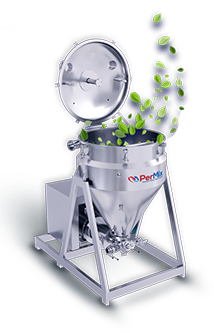

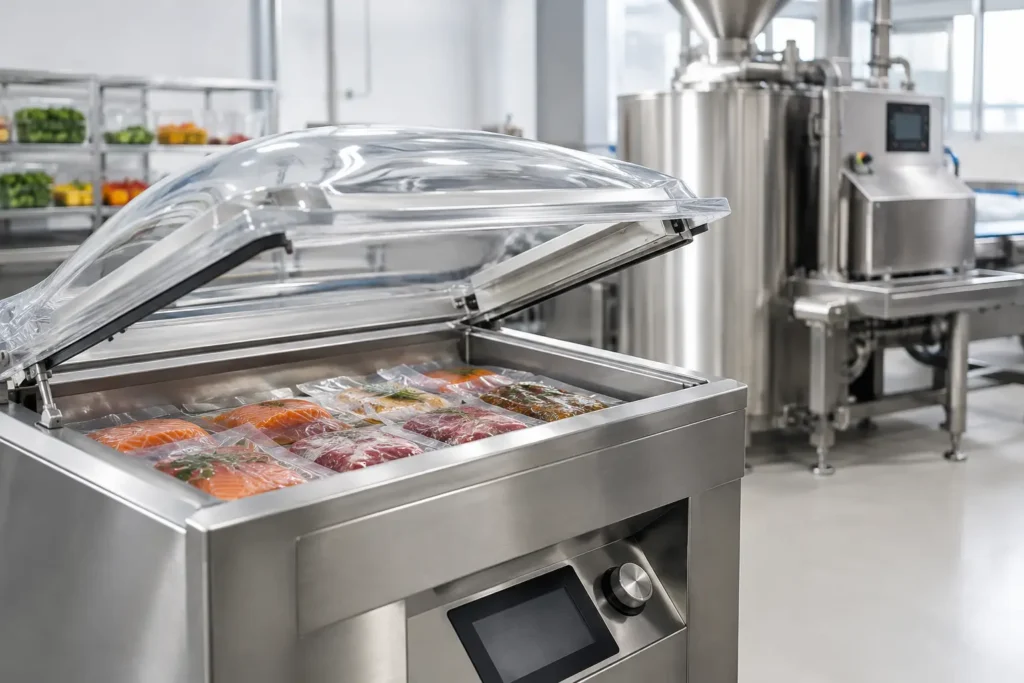
A mayonnaise batch can look finished in the vessel and still fail on the filling line. Entrained air may create an unstable texture, poorly wetted starch can leave fish-eyes, and an emulsion that appears smooth at room temperature can break after thermal stress. That is why vacuum processing technology trends matter to sauce, dressing, and condiment manufacturers. The most valuable developments are not novelty features. They are process improvements that reduce formulation risk, shorten batch time, and protect consistency as product portfolios become more complex.
For manufacturers running conventional mayonnaise alongside low-fat, fat-free, and vegan alternatives, vacuum processing is increasingly becoming a central production strategy. The right system combines controlled vacuum, efficient agitation, high-shear emulsification, and reliable powder induction in one sanitary platform. The result is a more repeatable path from raw ingredients to a stable commercial product.
The direction of vacuum processing is clear: equipment is being designed around tighter process control and broader formulation flexibility. Food plants are under pressure to increase output without accepting more variation between batches. At the same time, R&D teams are introducing proteins, hydrocolloids, modified starches, fiber systems, and oil-replacement ingredients that are less forgiving than traditional egg-and-oil formulations.
Vacuum mixers are responding by becoming more integrated. Instead of treating mixing, powder charging, deaeration, and emulsification as separate operations, modern processors bring these functions together. This reduces transfers, lowers exposure to air, and gives operators greater control over the sequence that determines finished-product quality.
One of the strongest trends is the use of vacuum-supported powder induction for difficult dry ingredients. Powders such as starches, gums, proteins, stabilizers, and sugar can resist wetting when they meet liquid at the surface of an open tank. They may float, agglomerate, or form dry centers that require extended mixing to correct.
Under vacuum, the pressure differential helps draw powders into the liquid phase while the mixing system disperses them rapidly. This is especially useful in formulations with dry starches, where poor incorporation can produce visible lumps, inconsistent viscosity, and processing delays. A properly configured vacuum emulsifying mixer reduces the need for manual intervention and supports more predictable hydration.
The trade-off is that powder induction capability must match the actual ingredient behavior. A system designed for free-flowing powders may not perform the same way with hygroscopic gums or low-bulk-density fibers. Feed rate, liquid temperature, recirculation, and the order of addition remain critical process variables.
Vacuum has long been associated with removing air, but manufacturers are using deaeration more deliberately as a quality-control function. Entrained air can affect density, color appearance, texture, filling accuracy, oxidation sensitivity, and shelf presentation. In high-viscosity sauces, removing that air after it has been incorporated can take significant time without effective vacuum control.
Modern systems are designed to establish and maintain vacuum during key stages of the batch rather than treating deaeration as a final correction. This approach can improve the appearance and body of mayonnaise and dressings while helping create a more uniform fill weight. For products packaged in jars, bottles, or squeeze containers, the visual difference can be commercially meaningful.
Vacuum level alone does not determine the result. Excessive vacuum or poor process timing can cause foaming in certain formulations, particularly where proteins or surfactants are active. The best process is the one that removes unwanted air without disrupting the product structure.
As formulations become leaner or egg-free, the margin for error becomes smaller. Traditional full-fat mayonnaise benefits from a high oil phase that contributes strongly to structure and mouthfeel. Low-fat and vegan products often depend on more complex interactions among starches, gums, proteins, acids, and emulsifiers. Small changes in droplet size or ingredient addition can produce large differences in viscosity and stability.
This is driving demand for integrated high-shear emulsification inside vacuum-capable processors. Rotor-stator homogenization, combined with controlled agitation, can reduce oil droplet size and distribute stabilizing ingredients more evenly. When the equipment is sized correctly, manufacturers gain better control over texture, sheen, and emulsion stability from batch to batch.
More shear is not automatically better. Excessive shear can generate heat, damage sensitive ingredients, or alter the texture target. Equipment selection should account for product viscosity, batch volume, oil phase, particle size requirements, and the thermal profile of the process. The goal is controlled energy input, not maximum energy input.
Recipe automation is another major force in vacuum processing technology trends. At one time, automated controls were often viewed mainly as a labor-saving feature. For food manufacturers handling multiple SKUs, they now function as a discipline tool.
A well-designed control system can guide the operator through ingredient sequence, mixing speed, vacuum setpoint, emulsification duration, temperature limits, and hold times. It also records what occurred during the batch. This is valuable when troubleshooting a viscosity shift or investigating why one production run did not match the approved standard.
For a plant producing both standard mayonnaise and a vegan line, repeatable recipe control helps prevent one formulation from being treated like another. The process may require different powder addition rates, different shear exposure, or a different vacuum schedule. Automation makes those distinctions operational rather than dependent on memory.
The most practical controls are not necessarily the most complicated. Plants should prioritize interfaces that operators can use confidently, clear batch reporting, and instrumentation that supports real decisions. A system filled with data points that no one reviews will not improve product consistency.
Food safety remains non-negotiable, but sanitary design also affects uptime and operating cost. Vacuum processors with cleanable internal surfaces, effective spray coverage, minimal product hold-up, and properly designed seals can reduce the time and uncertainty associated with changeovers.
This matters more as manufacturers expand their product range. Moving from a standard mayonnaise to a colored dressing, a spicy sauce, or an allergen-managed formulation can create substantial cleaning demands. Equipment that is difficult to clean may consume capacity that would otherwise be available for production.
The trend is toward systems engineered for clean-in-place performance from the beginning, not systems that merely accept a CIP connection. Vessel geometry, agitator design, valve arrangement, and the ability to drain fully all influence cleaning results. Manufacturers should evaluate sanitation with the same rigor used to assess mixing power or vacuum capacity.
Vacuum processing can reduce certain inefficiencies by combining operations and shortening dispersion time, but it is not automatically the lowest-energy route for every product. Vacuum pumps, homogenizers, heating and cooling systems, and CIP cycles all consume utilities. The financial case depends on how the system improves the total process.
The right question is not, “How much power does the mixer draw?” It is, “What does this processing platform do to total batch time, labor requirements, scrap, cleaning time, and product consistency?” A faster, repeatable batch with fewer rejected lots can deliver a stronger return than a machine with a lower nameplate power rating.
Capacity planning needs the same discipline. A larger vessel may appear to solve future demand, but operating too far below the designed working volume can compromise agitation and emulsification. Conversely, an undersized system can force longer runs, create scheduling pressure, and limit product development. Equipment sizing should reflect current throughput, realistic growth, minimum batch requirements, and the most demanding formulation in the portfolio.
A vacuum processor should be selected around the product and process, not a generic equipment specification. Start with the formulations that create the most production risk. These may be a low-fat mayonnaise with a narrow viscosity range, a vegan dressing with challenging protein hydration, or a sauce that requires rapid powder incorporation without aeration.
Then examine the full production sequence: liquid charging, powder induction, heating or cooling, oil addition, emulsification, deaeration, discharge, and cleaning. Bottlenecks often exist outside the high-shear head. If powder handling is slow or CIP consumes too much time, a more powerful homogenizer alone will not solve the problem.
PerMix approaches this decision through application-specific vacuum emulsification design, matching equipment configuration to the actual behavior of mayonnaise, dressings, ketchup, and related viscous products. That alignment is where performance gains become repeatable production results rather than promising test-batch results.
The next generation of vacuum processing will reward manufacturers that treat the mixer as part of a controlled system, not just a vessel with an agitator. Start with the product failure you most need to prevent, then build the process and equipment specification around eliminating it.

Get in touch with us today and learn how to we can help your business.