PerMix Mayonnaise Production
PerMix News


A mayonnaise batch can pass basic appearance checks and still fail where it matters: on the filling line, in a squeeze bottle, or after several weeks in distribution. Mayonnaise viscosity issues are rarely caused by one setting alone. They result from the interaction of formulation, ingredient condition, shear energy, temperature, vacuum, and process sequence.
For commercial producers, viscosity is not simply a texture target. It affects pumpability, filling accuracy, product yield, consumer perception, and emulsion stability. A batch that is too thin can look weak and separate under stress. A batch that is too thick can overload pumps, trap air, fill inconsistently, and create unnecessary production losses. The objective is a controlled, repeatable rheological profile that remains within specification from the mixer through the product’s intended shelf life.
Mayonnaise is a concentrated oil-in-water emulsion. Its apparent thickness comes from closely packed oil droplets, the continuous water phase, emulsifiers, stabilizers, and the way those components are processed. Small deviations can produce large changes in flow behavior.
A standard full-fat formula is often more forgiving because the high oil phase naturally contributes substantial body. Low-fat, fat-free, and vegan formulations are less forgiving. They depend more heavily on starches, gums, proteins, hydrocolloids, and carefully designed emulsifier systems. These ingredients need complete hydration and dispersion before the emulsion can develop its intended structure.
Viscosity also depends on how it is measured. A single centipoise value does not describe every mayonnaise product. Most mayonnaise is shear-thinning: it becomes easier to flow under mixing, pumping, or squeezing, then regains body at rest. Plant teams should therefore define the test method, spindle or geometry, test temperature, shear rate, sample conditioning time, and acceptance range. Without a consistent measurement protocol, operators can chase a problem that is actually a testing variation.
Thin mayonnaise is commonly blamed on insufficient homogenization. That can be true, but increasing speed or run time without diagnosing the batch may worsen the product. The most frequent causes are formulation error, poor hydration, inadequate droplet-size reduction, process temperature variation, and unstable ingredient addition.
Oil level has a direct influence on viscosity. If the oil phase is lower than target, or if an ingredient substitution changes the effective solids or water content, the emulsion may not build enough body. In high-oil mayonnaise, a modest formulation shift can materially alter the product’s packed-droplet structure.
Emulsifier performance matters just as much. Egg yolk, whole egg, modified starches, plant proteins, and commercial emulsifier blends each behave differently under acid, salt, heat, and shear. An emulsifier may create a visually acceptable emulsion while still producing droplets that are too large or too broadly distributed to deliver the required viscosity and stability.
Dry starches, gums, and protein powders are frequent sources of thin or inconsistent batches. If powder enters the vessel too quickly, contacts water without sufficient agitation, or forms fish eyes, only part of the ingredient becomes functional. The batch may show thin areas, delayed thickening, or uneven viscosity from the top to the bottom of the vessel.
This is particularly significant in reduced-fat and egg-free products, where powder functionality often replaces some of the structural contribution normally provided by oil and egg. A powder induction system that draws ingredients under controlled vacuum can improve wetting, prevent airborne losses, and reduce agglomerates. The process must still provide enough hydration time before final high-shear emulsification.
The goal of high shear is not simply to mix ingredients faster. It is to reduce and distribute oil droplets efficiently while supporting the emulsifier at the oil-water interface. If the rotor-stator head is undersized, poorly positioned, or operating outside its effective range, oil can remain in larger droplets. The mayonnaise may look smooth but feel loose, release oil over time, or lose body after pumping.
Conversely, shear cannot correct an incorrect formula or an unhydrated thickener. The right process applies high shear at the stage where it creates the most value, normally during controlled oil addition and final emulsion development.
Ingredient temperature affects viscosity, hydration rate, and emulsifier behavior. Oil that is too cold may increase temporary thickness and obscure the true process response. Excess heat can lower apparent viscosity during manufacture and can negatively affect sensitive proteins or starch systems. The target is a controlled temperature window matched to the formulation, not the lowest or highest achievable temperature.
Acid addition also deserves attention. Vinegar, citric acid, and other acidulants change pH and can alter the performance of proteins and hydrocolloids. Adding acid at the wrong stage may limit hydration or destabilize a developing system. The preferred sequence depends on the formula, which is why pilot validation is essential before moving a recipe to production scale.
Excess viscosity is not automatically a quality advantage. A heavy product may meet a spoon test but cause poor transfer, high pressure drop, uneven depositor performance, or air pockets in filled packages. It can also create localized mixing dead zones, leaving salt, acid, or stabilizers unevenly distributed.
Over-thick mayonnaise often results from excessive solids, higher-than-planned oil content, overuse of gums or starches, insufficient water, or a process temperature below the validated operating range. Some formulas continue to hydrate after the main mixing stage. If the product is tested too soon, then filled later after additional thickening, the line may receive a product outside its intended process window.
Do not solve an over-thick batch by adding water without reviewing pH, salt concentration, preservative targets, and total formula balance. Water addition can correct flow but change flavor, microbial hurdles, and stability. A controlled correction procedure should define what may be adjusted, the maximum adjustment amount, and the required re-test conditions.
When viscosity shifts, start with production evidence rather than assumptions. Compare the batch record with a known-good run: ingredient lot data, actual weights, powder addition time, oil feed rate, vessel temperature, vacuum level, mixer speed, homogenizer run time, and sample test conditions. This approach distinguishes a formula event from an equipment or operating event.
The following four checks usually reveal the highest-value next step:
A retained sample can add valuable information. Measure viscosity immediately after processing and again after 24 hours under defined storage conditions. If viscosity develops later, hydration or formulation timing may be the main factor. If the product thins during hold or after recirculation, droplet structure, temperature, or mechanical stress may be involved.
At industrial scale, equipment cannot be separated from process performance. A mixer that produces an acceptable pilot batch may fail to deliver the same shear distribution, powder wetting, or deaeration in a larger vessel. Scale-up based only on batch volume is a common source of inconsistency.
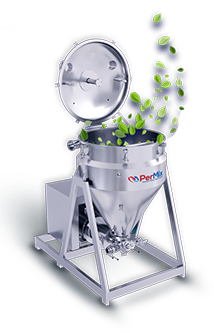
A properly configured vacuum emulsifying system supports several critical functions in one controlled process: dispersion of powders, rapid hydration, high-shear emulsification, vacuum deaeration, temperature management, and efficient product discharge. Vacuum is especially useful when producing thick mayonnaise because entrained air can distort viscosity readings, create an uneven appearance, reduce filling precision, and increase oxidation risk.
The mixer should be sized around the product’s rheology and the complete production objective, not only the nominal batch capacity. Consider required batch size, viscosity range, oil feed method, powder handling requirements, heat transfer demand, cleaning method, transfer distance, and downstream filling equipment. A configuration suitable for classic mayonnaise may require different powder induction or shear capability for a fat-free or vegan line.
PerMix applies this application-specific approach through vacuum emulsifying and universal vacuum mixer processor configurations designed around difficult emulsified foods, including mayonnaise, dressings, and sauces. The practical benefit is greater control over the conditions that determine body, stability, and batch-to-batch consistency.
The most reliable plants do not operate to a single mixer speed or fixed run time. They establish a validated operating window. This window defines acceptable ranges for ingredient temperature, oil addition rate, vacuum level, agitator speed, homogenizer speed, hydration time, final processing time, and product temperature at discharge.
That flexibility matters because raw materials vary. Egg solids, starch moisture, oil temperature, and hydrocolloid performance can shift from lot to lot. A validated window allows operators to make controlled adjustments while keeping the product within specification. It also gives quality and process teams a factual basis for investigating a deviation.
Treat viscosity as a process outcome, not a final inspection number. When formulation control, powder induction, high-shear emulsification, vacuum processing, and measurement discipline work together, mayonnaise becomes easier to pump, fill, ship, and reproduce. That is the operating standard worth designing for before the next batch reaches the line.

Get in touch with us today and learn how to we can help your business.