PerMix Mayonnaise Production
PerMix News

A mayonnaise batch can leave the mixer with the right viscosity, gloss, and flavor profile – and still fail in the market if shelf life is not controlled. That is why mayonnaise shelf life factors matter far beyond a lab number on a specification sheet. For manufacturers, shelf life is a processing outcome shaped by formulation, emulsification quality, hygiene, filling conditions, and packaging discipline.
Shelf life in mayonnaise is not just about whether a product is refrigerated or how much preservative is added. In commercial production, stability and safety are built into the system from the first ingredient addition. A well-designed process reduces microbial risk, limits oxidation, protects texture, and keeps the emulsion from separating during storage and distribution.
This is where many operations underestimate the interaction between product design and equipment capability. A formula may be sound on paper, but if powder hydration is incomplete, oil droplet size is inconsistent, or air is entrained during mixing, the finished product may lose quality long before its target shelf date. Shelf life is not a single variable. It is a result of multiple controls working together.
The starting point is the formula itself. Traditional full-fat mayonnaise typically benefits from a strong oil phase and a relatively low pH, both of which support stability when the emulsion is properly built. Once manufacturers move into low-fat, fat-free, or vegan formulations, the shelf life equation becomes more complex.
Acid level is one of the most important controls. Vinegar and other acidulants help reduce pH, which supports microbial control and influences flavor. But lower pH alone does not guarantee long shelf life. The acid must be evenly distributed, and the formulation must remain stable at that acidity. Some starches, proteins, and hydrocolloids perform differently as pH shifts, which can change viscosity over time.
Water activity also plays a role, although mayonnaise remains a high-moisture product. Salt, sugar, acids, and solids can influence how available water supports spoilage. In reduced-fat systems, where water content is often higher, formulators usually need tighter control of hydrocolloids, starch systems, and preservatives to maintain texture and microbiological security.
Egg yolk or egg alternatives are equally important. These ingredients are not only emulsifiers. They also affect flavor, color, viscosity, and oxidative behavior. Vegan systems often replace egg with starches, plant proteins, fibers, or specialty emulsifier systems. Those substitutions can work well, but they often narrow the processing window. A product that looks stable on day one may show syneresis, viscosity drift, or flavor instability later if the ingredient system is not fully optimized.
A stable mayonnaise emulsion is the foundation of usable shelf life. If oil droplet distribution is broad or poorly controlled, the product is more likely to cream, separate, or thin out during storage. This is not just a visual defect. Once structure weakens, the product may become more vulnerable to additional quality loss in transport and on shelf.
Mixing intensity matters, but more shear is not always better. The goal is controlled droplet size reduction with repeatable distribution, not aggressive processing that overheats the batch or destabilizes sensitive ingredients. Vacuum processing can be especially valuable because it reduces entrained air, improves ingredient incorporation, and supports a denser, cleaner emulsion structure.
Air is often an overlooked shelf life problem. Excess air can accelerate oxidation, affect fill weight consistency, and create a less stable appearance over time. It can also make the product look less glossy and more foamy, which weakens perceived quality even when the product remains technically safe.
For manufacturers running multiple SKUs, consistency from batch to batch is critical. Shelf life claims become harder to defend when emulsion structure changes with operator technique, ingredient addition sequence, or equipment load. Process repeatability is a commercial requirement, not just an engineering preference.
Mayonnaise is generally considered microbiologically stable when properly acidified, but that does not mean microbial control is automatic. The real issue is not just the finished pH. It is whether the entire process prevents contamination and supports uniform acid distribution throughout the batch.
Raw material quality is the first checkpoint. Liquid eggs, water, spices, starches, gums, and inclusions can all introduce microbial load. Dry ingredients are especially important because they are often assumed to be low risk, yet they can carry contamination or create handling issues that lead to poor dispersion and localized instability.
Sanitary design of the processing line matters just as much. Dead zones, poor drainability, and difficult-to-clean transfer points can allow residues to build up. In mayonnaise production, residual product is a serious issue because oily, viscous materials can cling to surfaces and protect microorganisms from routine cleaning if the system is not designed correctly.
Time and temperature also require discipline. Extended hold times before filling, especially in warm conditions, can compromise quality. Even acidic products benefit from efficient throughput and controlled residence time. Manufacturers focused on long shelf life generally treat delay points as risks, not minor scheduling issues.
A strong formula in a poor package will still underperform. Packaging protects mayonnaise from oxygen, light, contamination, and handling damage across the full supply chain. The right choice depends on product type, target distribution, and required shelf life.
Oxygen exposure is one of the biggest quality threats, especially for products containing sensitive oils, egg components, herbs, or spices. Oxidation can create rancid notes, color changes, and a stale profile long before the microbiological end of shelf life. Headspace control, container barrier properties, and sealing quality all influence this.
Light can also degrade quality, particularly in clear packaging. That does not mean clear containers are always wrong. They may support merchandising goals. But there is a trade-off. If the product contains oxidation-sensitive ingredients, package visibility may come at the cost of flavor stability unless the rest of the system is tightly controlled.
Closure performance is another practical factor. A poor seal can lead to leakage, contamination, or gradual oxygen ingress. These failures often show up as market complaints rather than plant-floor rejects, which makes them expensive. Shelf life should always be validated in the final commercial package, not just in lab containers.
In many plants, shelf life loss comes from routine process weaknesses rather than major formulation errors. Incomplete powder induction is one common example. If starches, gums, proteins, or stabilizers are not fully dispersed and hydrated, the product may show texture instability later in storage. Lumps and fish eyes are the obvious failures, but subtle under-hydration can be just as damaging.
Ingredient addition order is another control point. Acid, oil, water phase ingredients, and emulsifiers need to be introduced in a sequence that supports proper emulsion formation. The wrong order can create local overconcentration, incomplete hydration, or unstable droplet formation. The batch may still pass immediate QC and then drift during shelf life testing.
Temperature control during mixing is equally important. Excess heat can damage flavor, alter viscosity, and affect the functionality of egg systems or alternative proteins. Too little thermal control can also slow hydration and leave the product less uniform.
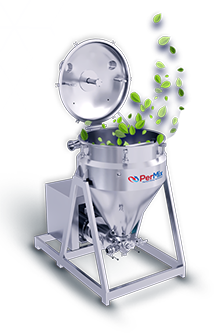
This is where equipment selection has a direct commercial impact. Vacuum emulsifying systems with reliable powder induction, repeatable shear control, and sanitary construction help manufacturers reduce the process variation that shortens shelf life. For producers scaling from pilot to full production, that consistency is often the difference between a stable product launch and a costly reformulation cycle.
A shelf life target is only useful if it matches reality. Testing should include microbiological, physical, and sensory evaluation across the intended storage period. That means checking pH stability, viscosity change, oil separation, color, flavor drift, and package integrity – not just whether the product remains legally saleable.
Accelerated testing can support development, but it should not replace real-time validation. Mayonnaise failures often develop through slow structural changes that do not appear under compressed test conditions in the same way. Distribution stress also matters. A product that survives static warehouse storage may still fail after temperature cycling, vibration, and repeated handling.
Manufacturers should also distinguish between acceptable shelf life and competitive shelf life. A product may remain safe for months, but if it loses texture, gloss, or fresh flavor too early, it can still hurt the brand. In condiment categories, perceived quality drives repeat purchase.
The most reliable way to extend shelf life is not to chase a single fix. It is to build control into formulation, emulsification, sanitation, and packaging at the same time. That is especially true for complex products such as low-fat and vegan mayonnaise, where the margin for process variation is smaller.
For industrial producers, mayonnaise shelf life factors are best managed upstream, inside the production system, where batch consistency is created. When the process is engineered correctly, shelf life becomes more predictable, quality holds longer, and scale-up becomes far less risky. That is the kind of performance that protects both product and margin.

Get in touch with us today and learn how to we can help your business.