PerMix Mayonnaise Production
PerMix News

A condiment scaleup example becomes valuable when it exposes the process variables that a bench batch can hide. A 5-gallon dressing may look smooth with a laboratory mixer, yet the same formula can develop fisheyes, air entrainment, unstable viscosity, or a broken emulsion when moved to a 1,000-gallon production vessel.
The difference is not simply batch size. It is the relationship between vessel geometry, ingredient addition rate, circulation, vacuum level, shear energy, temperature control, and hold time. For condiment manufacturers, successful scaleup means preserving the intended texture, flavor release, appearance, and shelf stability while improving throughput and repeatability.
Consider a manufacturer scaling a creamy shelf-stable dressing from a 100-pound development batch to a 2,000-pound commercial batch. The formula contains water, vinegar, oil, egg or egg alternative, sugar, salt, gums, modified food starch, spices, and a dry powder blend. At pilot scale, operators add powders slowly into an open vessel while a high-speed mixer runs. The batch appears acceptable after several minutes of mixing.
At production scale, that same approach introduces immediate risk. Powders can sit on the liquid surface, form hydrated outer shells before their centers wet out, and create stubborn lumps that remain visible after filling. The larger liquid mass also responds more slowly to agitation. If oil addition is too fast or the emulsifier is not fully dispersed before oil enters, droplet size can increase and the finished dressing may separate during storage.
The production target is not to copy the pilot procedure minute by minute. The target is to reproduce the pilot product’s critical quality attributes using equipment and operating conditions designed for the larger mass. Those attributes usually include viscosity, particle dispersion, emulsion stability, color, pH, yield, and a clean, consistent mouthfeel.
In this example, the first commercial batch reaches the required pH but misses the viscosity range. Operators find small gel particles from improperly hydrated starch and gum. The product also contains entrained air, producing a lighter appearance and variable fill weights. Although the batch can be sold in some channels, it does not meet the manufacturer’s intended quality standard or line-efficiency target.
The root cause is not one setting. The open-vessel process combines powder addition, hydration, emulsification, and deaeration in a sequence that gives operators limited control. Increasing mixer speed may reduce some visible lumps, but it can pull in more air and raise product temperature. Extending mix time may improve uniformity, but it reduces batch capacity and can damage a sensitive emulsion.
The improved process begins with a closed vacuum emulsifying mixer sized for the finished batch volume and product viscosity. Water-phase ingredients are charged first, followed by liquid sweeteners, salt, acid components, and preselected stabilizers. The vessel is operated under controlled agitation so ingredients circulate through the active mixing zone rather than moving only near the impeller.
Dry starches, gums, and seasoning powders are then introduced through a powder induction system. This step matters because the equipment draws powder directly into the recirculating liquid stream under vacuum or controlled negative pressure. Instead of asking operators to sprinkle powders over a large open surface, the system wets and disperses them quickly before agglomerates can form.
Once the water phase is uniform, the process applies the appropriate shear profile to develop hydration and dispersion. Oil is added at a controlled rate while the emulsification system creates the desired droplet structure. Vacuum remains active as needed to remove entrained air, improve product density, and support a smooth appearance. The exact sequence depends on the formula. A high-oil mayonnaise, a low-fat dressing, and a vegan emulsion do not require identical shear or addition profiles.
The manufacturer did not solve the issue by using more horsepower alone. It solved the issue by controlling where energy entered the batch and when each ingredient encountered that energy.
First, powder addition became measurable. The team set a defined induction rate based on the powder’s hydration behavior and the available liquid circulation. This reduced operator-to-operator variation and shortened the time required to clear powders from the process.
Second, the batch received both bulk agitation and localized high shear. Bulk agitation keeps the entire vessel moving, avoiding dead zones and supporting heat transfer. High shear breaks down agglomerates and develops a fine, stable emulsion. Either action by itself may be insufficient. High shear without effective circulation can overprocess a small portion of the batch while leaving other areas under-mixed.
Third, vacuum addressed a problem often mistaken for a formulation issue. Air can change apparent viscosity, dull product color, create foam at filling, and cause inconsistent net weights. Removing air during processing improved the finished dressing’s visual quality and made filling more predictable.
Finally, the team treated temperature as a process limit, not an afterthought. Some starches need a defined thermal profile to hydrate correctly, while emulsions can lose stability when exposed to excessive heat or prolonged high-shear mixing. Jacket control and monitored product temperature allowed the manufacturer to repeat the result from batch to batch.
A successful commercial trial should produce more than a sample that looks acceptable at the end of the day. Manufacturers need operating data that can become a production standard. For this type of condiment process, the most useful records include ingredient order, addition time, agitator speed, homogenizer or rotor-stator speed, vacuum level, product temperature, processing time, and finished-product test results.
Viscosity should be measured with the same method and temperature every time. A reading taken from warm product can be misleading when compared with a cooled product specification. Stability testing should also reflect actual distribution conditions, including storage time and reasonable temperature exposure. A batch that looks stable immediately after processing may still separate after several weeks if droplet size, hydration, or pH control is inconsistent.
Yield is equally important. When product retains in piping, clings to vessel walls, or foams during transfer, the loss affects margin. A properly configured vacuum mixer can reduce these losses, but sanitary design, discharge configuration, and cleaning procedures must match the product’s viscosity and particulates.
This condiment scaleup example is a useful model, but it is not a universal recipe. A thin vinaigrette may need less shear and a different recirculation arrangement than a heavy mayonnaise. A formula with high levels of native starch can require heating and hold time that are unnecessary for a cold-process dressing. Products containing vegetable particulates, herbs, or fragile inclusions may need those ingredients added after the primary emulsification step to prevent damage.
Low-fat and fat-free products deserve particular attention. Oil contributes body, lubrication, and emulsion structure. When oil is reduced, starches, hydrocolloids, and proteins often carry more of the texture burden. These ingredients can be more sensitive to powder addition errors and hydration conditions. Vegan mayonnaise presents its own variables because plant proteins and emulsifier systems can respond differently to acid, salt, and shear.
For that reason, equipment sizing should start with the formula, target annual volume, batch frequency, and required process steps. Selecting a vessel solely by nominal capacity can create problems with headspace, mixing coverage, heat-transfer area, and practical batch yield.
The strongest scaleup programs use pilot testing to define the process window before a full production installation. Rather than testing only one successful batch, process teams should establish acceptable ranges for oil addition rate, vacuum level, shear exposure, temperature, and mixing time. That range gives production operators room to manage normal raw-material variation without drifting outside finished-product specifications.
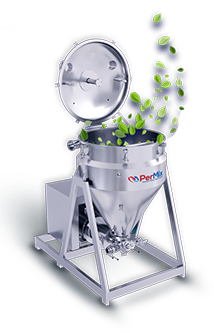
This is where specialized emulsification equipment earns its value. A system such as the PerMix PVC Vacuum Emulsifying Mixer combines vacuum processing, controlled mixing, powder handling capability, and emulsification performance in one production platform. The objective is straightforward: make difficult condiment formulas repeatable at commercial scale.
A scaleup is complete when the plant can produce the same quality without relying on one experienced operator to make adjustments by instinct. Build the process around controlled ingredient introduction, targeted shear, reliable vacuum performance, and measurable operating limits, and the next batch becomes a standard – not another experiment.

Get in touch with us today and learn how to we can help your business.