PerMix Mayonnaise Production
PerMix News
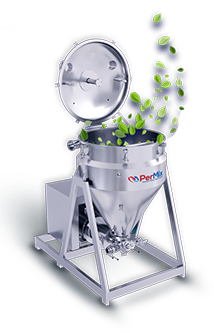

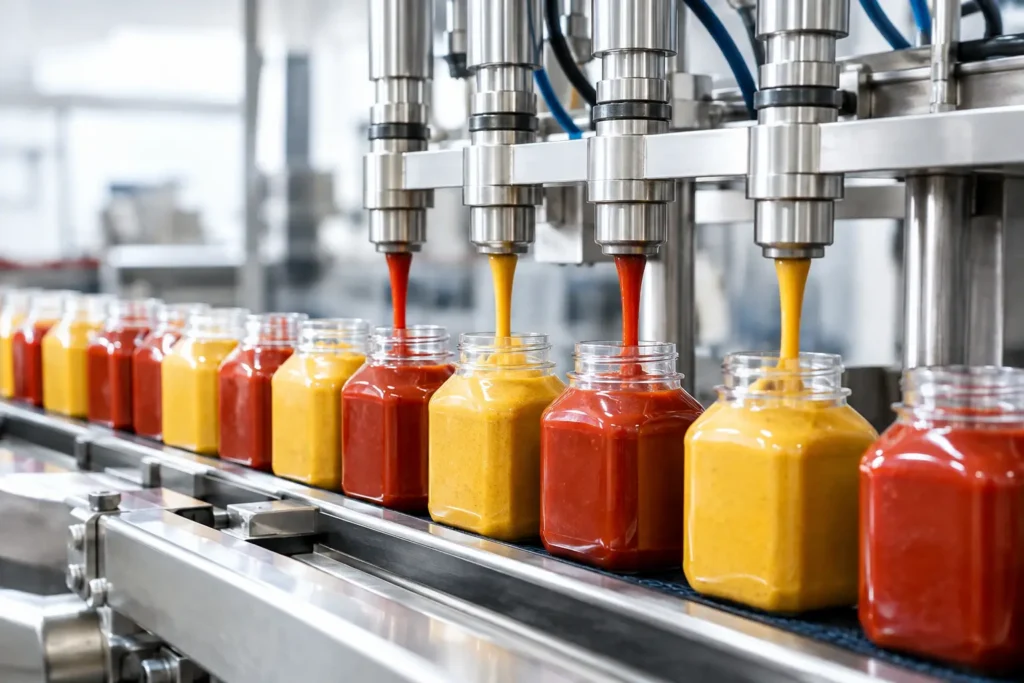
A mayonnaise batch can appear finished at the mixer while already carrying the conditions for failure: a poorly hydrated starch, a temperature excursion, an air pocket, or an oil addition rate that moved too fast for the developing emulsion. The condiment automation future is not defined by replacing operators with screens. It is defined by giving manufacturers tighter control over the process variables that determine stability, texture, yield, and repeatability.
For producers of mayonnaise, ketchup, dressings, sauces, and plant-based alternatives, automation is becoming a practical response to harder operating conditions. Product portfolios are expanding. Specifications are tighter. Labor is more difficult to retain. At the same time, customers expect every package to match the last one, whether it was produced on a pilot line or in a high-volume industrial plant.
A modern condiment line should not automate an unstable manual process. It should first establish the right sequence of ingredient addition, dispersion, vacuum application, shear, temperature control, and transfer. Automation then makes that proven process repeatable across shifts, batches, and facilities.
This distinction matters most in emulsified products. Mayonnaise is not simply a blend of oil, water, egg or egg replacer, acid, and seasonings. It is a controlled dispersion system. Small deviations in shear energy, oil feed rate, vacuum level, or ingredient hydration can change viscosity, mouthfeel, gloss, and long-term stability. Low-fat, fat-free, and vegan formulations generally allow even less room for error because starches, gums, proteins, and hydrocolloids must perform more of the structural work once oil is reduced or removed.
The future line will capture critical process parameters as part of every recipe. Operators will still play an essential role, but they will manage by exception instead of relying on memory, timing estimates, and handwritten batch records. A control system can guide the sequence, verify setpoints, record actual conditions, and stop the process when a value moves outside an approved operating range.
That creates a more useful definition of automation: repeatable manufacturing intelligence built into the equipment and recipe.
The greatest automation gains often begin before emulsification. Powders such as modified starch, xanthan gum, sugar, salt, milk solids, and plant proteins can form fisheyes, lumps, or incomplete dispersions when added too quickly or exposed to liquid in the wrong order. Correct powder induction is not a convenience feature. It directly affects hydration time, texture consistency, and the risk of rework.
An automated powder induction system can meter dry ingredients at a controlled rate while maintaining the flow and vacuum conditions needed for rapid incorporation. It reduces dust, improves safety, and removes the variability created when operators manually dump bags into an open vessel. For products using difficult dry starches or high concentrations of stabilizers, this control can make the difference between a smooth, stable dressing and a batch that requires extended mixing or must be downgraded.
Liquid handling benefits from the same discipline. Automated load cells or flow measurement can confirm that water, vinegar, oil, sweeteners, and other liquid ingredients enter the vessel at the specified quantity and rate. In mayonnaise production, controlled oil addition is especially important. Adding oil too quickly can overload the emulsion system. Adding it too slowly can extend cycle time without improving quality. The correct profile depends on formulation, batch size, emulsifier system, and equipment geometry.
This is why automation cannot be selected from a generic feature list. A ketchup line, a high-oil mayonnaise line, and a vegan dressing line may all use similar hardware, but their control philosophy should not be identical.
Vacuum processing is already a proven advantage in high-quality condiment production. By reducing entrained air, vacuum supports a denser appearance, cleaner color, more accurate filling, and improved product finish. It can also assist powder incorporation and reduce foam during mixing.
The next step is to treat vacuum as a managed process condition rather than an on-or-off function. Automation can apply vacuum at defined stages, maintain target levels, and coordinate vacuum operation with powder induction, homogenization, and cooling. This gives the process team a clearer record of what happened during the batch and a stronger basis for troubleshooting when a finished product falls outside specification.
Temperature follows the same path. Many sauces require heating for starch hydration, cooking, microbial control, or viscosity development, followed by controlled cooling before final additions or filling. Automated temperature ramps reduce overshoot and help protect heat-sensitive ingredients. For egg-free or protein-rich formulations, careful thermal control may be necessary to prevent unwanted texture changes.
The value is not simply that the system records more data. Data has value only when it connects a measurable condition to a product result. If a specific combination of vacuum level, mixing speed, and oil feed profile consistently produces the desired viscosity and stability, that combination becomes a protected manufacturing standard.
Recipe management is one of the most commercially useful parts of condiment automation. It allows a plant to run standard mayonnaise, reduced-fat mayonnaise, garlic aioli, ranch dressing, and specialty sauces on the same production platform with controlled parameters for each product.
But recipe automation should not become a rigid barrier to good manufacturing judgment. Raw materials change. Oil viscosity can vary with temperature. Starch lots can hydrate differently. Seasonal conditions can affect ingredient behavior. A well-designed system gives authorized users controlled adjustment ranges, clear alarms, and documented changes rather than forcing personnel to choose between ignoring a problem and making an unrecorded manual correction.
This approach is particularly valuable during scale-up. R&D teams need enough flexibility to refine a pilot formula, while operations teams need enough structure to reproduce the approved formula at commercial volume. The best process design carries critical parameters from development through production instead of treating scale-up as a separate exercise.
For this reason, manufacturers should evaluate automation together with vessel design, agitator configuration, high-shear emulsification capability, heating and cooling requirements, and discharge performance. Software cannot compensate for equipment that does not generate the required mixing action or handle the product viscosity at the intended batch size.
Food safety expectations are increasing, and sanitation time remains one of the largest constraints on productive capacity. Automation will increasingly support validated cleaning cycles, guided changeovers, and clearer proof that defined cleaning steps were completed.
For plants producing multiple allergen profiles or switching between egg-based and vegan products, cleaning validation is not optional. Automated clean-in-place sequences can control time, temperature, chemical concentration, flow, and rinse steps. The appropriate design depends on the product range and risk profile, but the operating goal is consistent: reduce the uncertainty that comes with manual cleaning decisions.
Batch traceability will also become more detailed. A production record can connect ingredient lots, operator actions, process values, alarms, deviations, quality checks, and finished batch disposition. When a customer question or quality issue arises, a plant can investigate the actual production history rather than reconstruct events from scattered records.
That level of traceability is not only useful for compliance. It helps identify recurring process loss. A manufacturer may discover that a certain product experiences longer mixing times after a particular ingredient change, or that one viscosity specification is routinely missed at the end of a long production run. These findings support targeted improvements instead of broad, expensive changes.
The most effective condiment plants will not use automation to remove process knowledge. They will use it to preserve and multiply it. Experienced operators understand the sensory cues, raw-material behavior, and equipment responses that are difficult to capture in a single instruction. Their knowledge should inform recipe limits, alarm settings, operating procedures, and training standards.
At the same time, automation reduces dependence on any one person being present for every critical action. It standardizes repetitive tasks, reduces exposure to powders and hot liquids, and lets skilled employees focus on verification, maintenance, quality, and continuous improvement.
The trade-off is that greater automation requires better engineering upfront. Sensors need to be selected for the product and cleaning environment. Control logic needs to reflect actual process behavior. Operators need training that explains why a system responds as it does. A low-cost automated package that is difficult to maintain or poorly matched to the formulation can create more downtime than it prevents.
The right investment may be a fully integrated production system, or it may be targeted automation around the plant’s largest source of variability. A facility with reliable mixing but inconsistent powder handling may benefit first from controlled powder induction. Another plant may need recipe management and batch records before it adds more capacity. A producer introducing low-fat or vegan lines may require a vacuum emulsifying platform with the process flexibility to develop and protect new formulations.
PerMix designs mayonnaise and condiment processing solutions around these real production requirements, including vacuum emulsification, powder induction, controlled heating and cooling, and scalable batch processing. Equipment selection should begin with the formula, target throughput, viscosity range, sanitary requirements, and the performance standard expected from the finished product.
The manufacturers that gain the most from automation will be the ones that ask a practical question before buying technology: which process variable is costing us the most quality, capacity, or confidence today? Build control around that answer, and every future batch has a better chance of leaving the plant exactly as intended.

Get in touch with us today and learn how to we can help your business.