PerMix Mayonnaise Production
PerMix News

A vegan dressing that looks stable in a benchtop beaker can separate, thicken unpredictably, or develop a gritty finish once production moves to a 500-gallon batch. Selecting the best equipment for vegan dressings is therefore not a matter of choosing a standard mixer. It is a process decision tied directly to emulsion stability, ingredient dispersion, cycle time, cleaning requirements, and the commercial consistency of every batch.
Vegan formulas often replace egg yolk with plant proteins, starches, gums, lecithin, fibers, and modified ingredients. These materials can be highly functional, but they also create demanding processing conditions. A production system must wet powders rapidly, control viscosity, prevent aeration, and generate the shear needed to produce a smooth, shelf-stable dressing.
Traditional mayonnaise benefits from the emulsifying power of egg yolk. Vegan dressings must build comparable body, gloss, cling, and stability through a carefully balanced combination of oil, water, acids, hydrocolloids, proteins, and stabilizers. The equipment must support that formulation strategy rather than work against it.
The first challenge is powder incorporation. Xanthan gum, modified starch, pea protein, citrus fiber, and similar dry ingredients can form fisheyes or stubborn agglomerates when added to water without sufficient turbulence and wetting. Once lumps form, a basic agitator may circulate them around the vessel without fully dispersing them.
The second challenge is emulsion development. Many vegan dressings contain substantial oil levels but lack the forgiving emulsification behavior of egg-based systems. Oil must enter at a controlled rate and be dispersed into fine droplets under repeatable shear conditions. Poor control can lead to oiling off, excessive viscosity, weak texture, or a dressing that breaks after thermal processing or storage.
Air is another common production issue. Surface agitation can pull air into high-viscosity batches, creating foam, inaccurate filling weights, reduced visual quality, and oxidation risk. Vacuum processing is often the practical answer when product appearance, density, and stable filling performance matter.
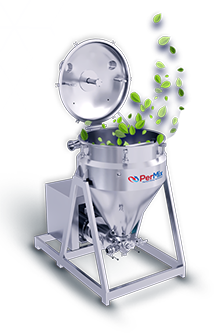
For commercial production, the strongest equipment configuration is typically a vacuum emulsifying mixer with an integrated high-shear homogenizing system, efficient vessel agitation, and a powder induction method suited to the formula. This approach brings the critical steps into a controlled, sanitary batch environment.
A vacuum emulsifying mixer is designed to blend, disperse, emulsify, deaerate, and process viscous products in one vessel. It is particularly effective for vegan dressings because it combines multiple mixing actions rather than relying on a single propeller or paddle.
The high-shear homogenizer is central to emulsion quality. Its rotor-stator action creates intense localized shear, reducing oil droplet size and breaking down powder agglomerates. In a properly designed system, product is continuously drawn into the homogenizing zone, processed, and returned to the batch for further circulation.
Homogenizer capacity must match the batch size, viscosity range, and desired texture. Undersized homogenization can leave the process dependent on long cycle times with inconsistent results. Excessive shear, however, can damage certain starch systems, alter protein behavior, or create an overly thin finished texture. The correct choice depends on the formula and the processing window, not simply the highest available motor power.
Vegan dressings frequently build viscosity as gums hydrate, starches cook, or fibers absorb water. An anchor agitator keeps the entire vessel moving while wall scrapers continuously sweep the heated and cooled surfaces. This improves heat transfer and helps prevent localized overheating, burn-on, or product buildup.
The anchor also supports batch uniformity. While the homogenizer handles high-shear dispersion, the anchor moves high-viscosity material through the vessel and eliminates stagnant zones. This dual-action design is far more effective than using high shear alone in a large, thick batch.
Vacuum should be considered a production-quality feature, not an optional accessory. Applying vacuum during mixing helps remove entrained air, improves product density, and produces a cleaner, more polished appearance. It can also assist powder draw-in and reduce foaming during processing.
The operating sequence matters. Some formulations benefit from vacuum during powder addition and final deaeration, while others need atmospheric conditions at specific stages to manage foam or ingredient behavior. A system with controlled vacuum capability gives process teams the flexibility to establish the best validated procedure.
Powder handling deserves special attention in vegan dressing production. Manual dumping through an open manway is workable for small trials, but it can introduce dust, inconsistent addition rates, operator exposure, and recurring lump formation. It also makes it harder to reproduce a successful batch from shift to shift.
A powder induction system draws dry ingredients directly into the liquid phase under vacuum or through a high-velocity recirculation loop. This improves wetting before powders have time to form agglomerates. For difficult hydrocolloids and starches, the difference can be significant: faster hydration, fewer undispersed particles, and reduced rework.
The best method depends on the ingredient package. Fine powders with low bulk density may require controlled feeding and dust management. Ingredients that hydrate instantly may need to be inducted slowly to avoid viscosity spikes. Formulators should validate addition order, induction rate, and shear level together. Equipment cannot compensate for an uncontrolled recipe sequence, but the right system makes that sequence repeatable.
Some vegan dressings are cold processed. Others require heating for starch gelatinization, microbial control, flavor development, or improved hydration. A jacketed vessel with reliable heating and cooling is essential when temperature is a critical process variable.
For heat-treated dressings, the system must deliver even thermal exposure without scorching the product at the vessel wall. Scraped-surface agitation supports this goal, particularly when formulations contain sugars, starches, or proteins that can stick under prolonged heat. Cooling capability is equally important because extended cooling time can become a bottleneck that limits daily production output.
Plant teams should define the required temperature ramp, hold time, and cooling target before sizing equipment. A vessel that produces a stable emulsion but cannot meet the required cycle time may still fail the commercial case.
Vegan positioning does not reduce the need for rigorous sanitary processing. Dressings commonly contain acids, oils, proteins, and functional ingredients that can leave residue in valves, pipelines, dead legs, and poorly designed mixing zones. Equipment should be built in sanitary stainless steel with cleanable welds, appropriate seals, and a configuration compatible with the plant’s cleaning procedures.
Clean-in-place capability is especially valuable for manufacturers running multiple flavors or allergen-managed product lines. It reduces manual cleaning labor, supports faster changeovers, and helps protect against cross-contact. The most productive system is not only the one that mixes quickly. It is the one that can be cleaned, inspected, and returned to service predictably.
Equipment sizing should begin with more than target batch volume. Consider annual demand, batches per shift, product viscosity, utility availability, filling line speed, planned SKU growth, and cleaning time. A 300-gallon working batch may be appropriate for a regional brand, while a manufacturer supplying retail and foodservice channels may need larger vessels or multiple processing lines.
It is also wise to consider formulation expansion. A system intended for a thin vinaigrette may not be suitable for a high-oil vegan ranch or a thick sandwich spread. Specify the expected viscosity range and the most difficult ingredient set early in the project. This avoids purchasing equipment that performs well only on the simplest product in the portfolio.
For pilot and R&D work, scale-down capability matters as much as scale-up. Process data from a small unit should translate logically to production equipment, including shear exposure, addition order, vacuum level, and thermal profile. PerMix designs vacuum mixing and emulsification systems around these real processing variables, helping manufacturers move from validated trials to reliable commercial production.
A productive equipment discussion starts with a complete product and process brief. Manufacturers should be prepared to define the batch size range, target viscosity, oil percentage, powder types, thermal requirements, desired output, and cleaning expectations. If the dressing contains particulates, acid-sensitive ingredients, or challenging protein systems, those details should be identified upfront.
Ask how the mixer will circulate a high-viscosity batch, how powders enter the vessel, what shear range the homogenizer provides, and whether vacuum performance is sufficient for the intended formula. Request clarity on heating and cooling performance, control architecture, sanitary design, and the accessibility of wear parts. The right answer is rarely a generic machine specification. It is a system designed around the product’s actual behavior.
A successful vegan dressing line should give your team control, not workarounds. When the mixing, homogenization, powder induction, vacuum, and thermal functions are matched to the formula, product development becomes easier to scale and every production batch has a stronger path to consistent quality.

Get in touch with us today and learn how to we can help your business.