PerMix Mayonnaise Production
PerMix News

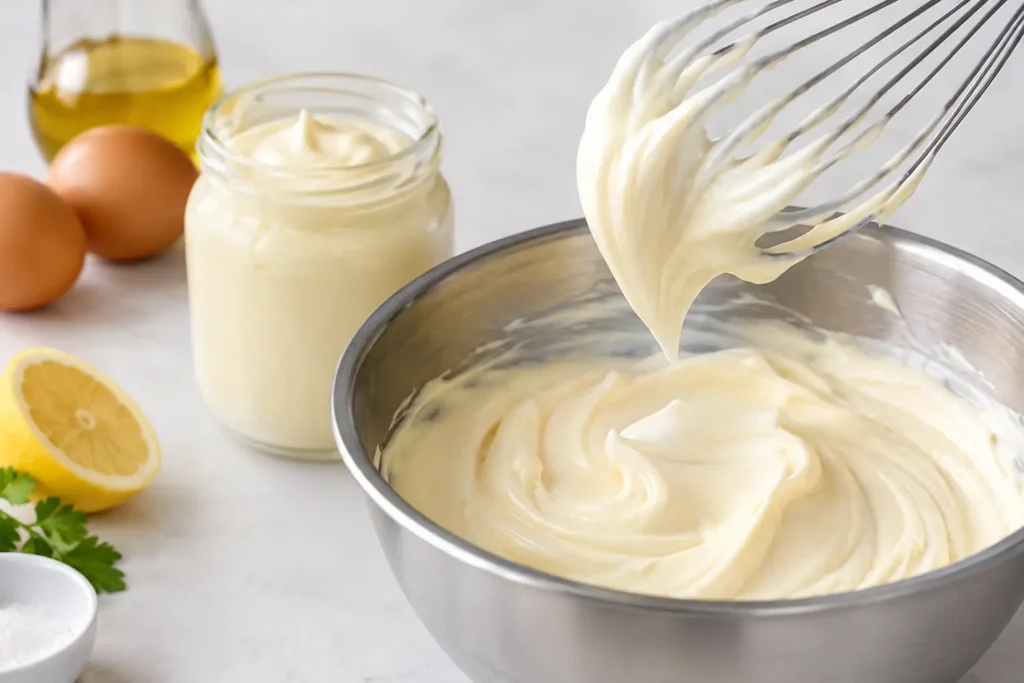
A mayonnaise batch can look smooth in the mixer and still carry enough entrained air to create unstable filling weights, a lighter-than-target texture, or visible bubbles in the finished jar. So, why does mayonnaise contain air? In most commercial processes, air enters during ingredient addition and mixing, then remains trapped in the high-viscosity emulsion when the process does not provide an effective route for deaeration.
For manufacturers, air is not merely a cosmetic issue. It can affect product density, viscosity readings, oxidation risk, fill control, appearance, and repeatability from batch to batch. The objective is usually not to make mayonnaise completely air-free. It is to control air content at a level that supports the intended texture, package appearance, and shelf-life target.
Mayonnaise is a concentrated oil-in-water emulsion. Once the oil phase is dispersed into fine droplets and the product gains body, bubbles have difficulty rising and escaping. A small amount of air introduced early in the process can become dispersed throughout the batch as fine bubbles, particularly after high-shear mixing has increased viscosity.
The most common entry point is the mixer surface. If an agitator creates a vortex that reaches the liquid surface, it can pull air directly into the batch. High agitation speed, insufficient product level, an improperly selected impeller, or an unsuitable vessel geometry can all contribute to vortexing.
Powder addition is another frequent source. Starches, gums, salt, sugar, protein ingredients, and seasoning blends can carry air between particles. When powders are dumped through an open manway or pulled in through a poorly controlled induction point, the powder addition can introduce substantial air along with the dry ingredients. Wetting problems can make the situation worse because floating powder rafts and lumps hold air that later disperses into the emulsion.
Air may also enter through the process line. Leaking seals, poorly tightened fittings, a pump suction condition that draws in air, or incomplete line priming can all introduce bubbles. Filling can create a separate problem: a well-deaerated mayonnaise may pick up air again if the transfer and filling system is not designed for viscous emulsions.
Every filled jar or bottle needs a controlled headspace. That space above the product is not the same as entrained air within the mayonnaise. Entrained air is dispersed as bubbles in the product itself. It lowers apparent density and can create a whipped or porous appearance. Dissolved air, meanwhile, is air held at the molecular level in the liquid phase and may come out of solution as pressure or temperature changes.
The distinction matters because a container can have correct headspace while the product still contains excessive internal air. Quality teams should assess the mayonnaise, not only the package.
The impact depends on formulation, package format, viscosity, and the amount and size of bubbles. A small amount of finely dispersed air may not be noticeable in a pourable dressing. In a premium, high-viscosity mayonnaise, however, it can cause immediate and measurable production problems.
First, air changes density. If the filler is volumetric, variations in air content can create net-weight variation even when every container receives the same volume. If the filler is weight-based, the plant may see different fill volumes and changing package headspace. Either outcome complicates process control.
Second, air can alter sensory perception. Consumers may describe an aerated mayonnaise as fluffy, weak-bodied, or less creamy. The product can appear lighter in color because bubbles scatter light. In severe cases, larger bubbles remain visible at the container wall or migrate upward during storage, leaving an uneven surface.
Third, oxygen in entrained air can contribute to oxidation. This is particularly relevant in formulations with oils that are sensitive to oxidative flavor change. Antioxidants, packaging barriers, and appropriate storage conditions all matter, but reducing unnecessary oxygen exposure at the mixing stage remains a practical control point.
Finally, excessive air can distort in-process measurements. An aerated batch can show apparent viscosity behavior that differs from a properly deaerated batch. That makes it harder to distinguish a true formulation or emulsification issue from a measurement affected by bubbles.
Air control begins with the batch sequence. Adding oil too quickly, running high shear before the liquid phase is properly organized, or increasing agitation as product volume falls can all promote air incorporation. The same mixer setting does not behave the same way across every batch size or viscosity range.
Low-fat, fat-free, and vegan mayonnaise deserve particular attention. These systems often depend on starches, hydrocolloids, proteins, or other structure-building ingredients to replace the body normally supplied by oil. They can thicken rapidly and retain bubbles more readily than a conventional full-fat formula. They may also require demanding powder dispersion, which creates more opportunities for air to enter.
Temperature is another variable. A product that is too cold may be too viscous for bubbles to release efficiently. A product that is too warm may compromise texture, ingredient functionality, or emulsion stability. The appropriate temperature range depends on the formulation and the processing method, not a universal setpoint.
High shear is essential for producing a fine, stable emulsion, but it is not a substitute for air management. Used at the wrong time or with surface vortexing, high shear can break incoming air into smaller bubbles that are even harder to remove. The best process uses high shear where it improves droplet size and dispersion, then uses controlled vacuum and agitation to remove air without damaging the finished emulsion.
A vacuum emulsifying mixer removes air by reducing pressure over the product. Under vacuum, entrained and dissolved gases expand, rise, and are drawn out of the vessel. This is most effective when the product is exposed to the vacuum environment through controlled agitation rather than aggressively whipped at the surface.
In a well-designed vacuum process, the manufacturer can combine ingredient wetting, powder induction, emulsification, and deaeration in a controlled sequence. Liquid ingredients are prepared, powders are inducted below the surface or through a vacuum-supported system, oil is emulsified under the required shear conditions, and vacuum is applied or maintained to remove air as the batch develops.
The exact sequence depends on the recipe. Some products benefit from vacuum during powder induction because it reduces airborne dust and helps pull powders into the liquid phase. Others require careful timing to prevent rapid expansion or foaming of certain ingredients. A strong vacuum applied too early to a poorly wetted, foam-prone batch can create operational instability rather than solve it.
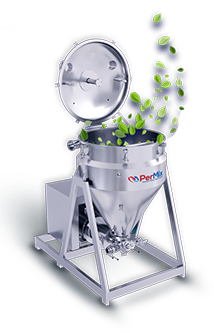
This is why equipment selection should be tied to the formulation and production target. The vessel design, agitator profile, high-shear head, vacuum capacity, powder induction method, and discharge arrangement all influence the final air level. PerMix vacuum emulsifying systems are engineered around this integrated requirement, giving manufacturers control over emulsification and deaeration in one sanitary production platform.
A practical troubleshooting approach starts by identifying when air enters, not simply when bubbles become visible. Review the batch from water-phase preparation through filling. Observe the liquid surface during agitation, inspect powder addition behavior, confirm that transfer lines are fully primed, and compare product density before and after vacuum treatment.
If a vortex is present, reducing speed may help, but speed reduction alone is not always the answer. The better correction may be a different agitator configuration, a higher operating level, or a revised mixing sequence. Reducing agitation too far can create poor circulation, incomplete powder hydration, or uneven emulsification.
For powder-heavy formulas, controlled induction is usually more reliable than open dumping. It improves wetting, limits dust, and reduces the amount of air transported with dry material. The system must still provide enough liquid movement and shear to disperse powders before they form hydrated lumps.
During transfer, keep suction conditions stable and avoid conditions that cause pumps to cavitate. Cavitation can introduce or generate gas pockets while also damaging pump components. Use product-appropriate pumping and minimize unnecessary pressure drops, abrupt restrictions, and unprimed sections of line.
At the filler, establish a repeatable product condition. If batches arrive with varying air content, filling adjustments become a moving target. Monitoring density, net weight, appearance, and viscosity together gives a more useful production picture than relying on one measurement alone.
The correct air level is not identical for every mayonnaise. A traditional spoonable mayonnaise in a glass jar may demand very low visible aeration and a dense, glossy appearance. A squeeze-bottle product may tolerate a different texture profile, provided it still delivers stable flow and clean package presentation. Product development, operations, and quality teams should define acceptance criteria before scaling up.
Those criteria should include more than a visual check. Establish a target density range, evaluate bubble appearance after a defined hold time, verify filling performance, and retain samples for shelf-life review. When a new oil blend, starch, protein, or stabilizer is introduced, revalidate the air-control process because formulation changes can alter foam behavior significantly.
Air in mayonnaise is a process signal. When it is measured and managed at the mixer, manufacturers gain tighter control over texture, fill accuracy, appearance, and finished-product consistency. The most effective next step is to evaluate the batch sequence and equipment configuration against the specific formula, then build deaeration into the process rather than treating bubbles as a downstream correction.

Get in touch with us today and learn how to we can help your business.