PerMix Mayonnaise Production
PerMix News
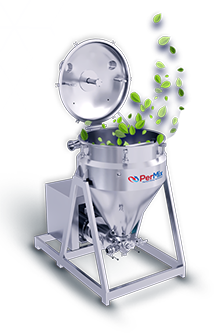


A mustard line can look simple on paper: water, vinegar, mustard flour or prepared mustard, salt, sweetener, spices, and stabilizers. In production, it is rarely simple. Mustard sauce manufacturing equipment must hydrate powders without fisheyes, distribute acid and seasonings evenly, control viscosity, and deliver a repeatable texture from the first batch to the last. A conventional tank with a slow agitator may move ingredients, but it often cannot solve the dispersion and particle-size challenges that determine finished-product quality.
For manufacturers expanding a mustard portfolio or moving from pilot batches to commercial output, equipment selection should begin with the product behavior, not the vessel size. A smooth yellow mustard, coarse whole-grain mustard, honey mustard dressing, and creamy deli sauce can require very different processing conditions. The right system protects flavor, shortens batch time, and gives the plant a dependable path to scale.
Mustard is an acidified condiment, but its processing requirements extend beyond simple blending. Dry mustard powder can form lumps when introduced poorly. Starches, gums, sugar, salt, and spice blends each wet out at different rates. High-viscosity recipes can create stagnant zones in an undersized or poorly configured mixer. If oil, egg, or plant-based emulsifiers are part of a creamy mustard formulation, the process must also create a stable emulsion.
The target texture drives the equipment decision. Fine, uniform table mustard generally benefits from high-shear dispersion and controlled homogenization. Whole-grain products require gentler handling after the grains are added, so the process preserves visible particulates rather than reducing them. Honey mustard and mustard dressings may need both strong powder incorporation and emulsion capability. One machine can be versatile, but only when its mixing tools, shear head, vacuum capability, and discharge design match the product range.
Acid addition deserves particular attention. Vinegar and other acids influence flavor, viscosity, and the development of mustard pungency. Adding acid at the wrong point can affect hydration and change the way powders disperse. A well-designed process gives operators a controlled sequence for liquid charging, powder induction, high-shear processing, acid addition, and final adjustment.
At commercial scale, the production system usually centers on a sanitary mixing vessel fitted with an agitator and a high-shear homogenizing device. The agitator provides full-batch circulation, while the high-shear head breaks down agglomerates and disperses powders through the liquid phase. This combination is far more effective than relying on a high-speed propeller alone, especially for recipes containing starches, hydrocolloids, or high levels of dry seasoning.
A vacuum emulsifying mixer is often the preferred platform for smooth mustard sauces, honey mustard, and emulsified condiment products. Vacuum processing helps remove entrained air, which improves appearance, density control, and filling consistency. It can also reduce foaming during mixing, a practical advantage when formulas contain gums, proteins, or certain sweeteners. For manufacturers producing mayonnaise, dressings, and mustard-based sauces on the same line, vacuum emulsification provides useful process flexibility.
Powder induction is another high-value capability. Instead of opening a manway and manually dumping powders into the tank, an induction system draws dry ingredients into the liquid under controlled conditions. The result is faster incorporation, less dust exposure, fewer lumps, and more repeatable operator performance. This matters most when processing fine mustard flour, modified starches, xanthan gum, sugar, salt, and premixed seasoning blends.
A complete system may also include ingredient holding tanks, transfer pumps, a recirculation loop, load cells, a sanitary control panel, and a filling interface. These are not accessories to be selected at the end of the project. They determine how accurately the plant can dose ingredients, how easily it can clean between products, and how reliably it can transfer a viscous sauce without separation or excess air pickup.
High shear is valuable because it creates intense localized mixing where powder clusters and liquid meet. In a mustard sauce, this action improves wetting and produces a smoother, more consistent body. It is particularly useful for formulas that use dry mustard, starches, gums, or oil-based flavor components.
More shear is not always better. An aggressive shear profile can be unnecessary for a coarse-grain product and may alter the desired visual character. The objective is not maximum speed. It is controlled dispersion at the shear level needed for the recipe. Equipment with variable-speed agitation and homogenization gives R&D and production teams room to adjust the process without changing hardware.
Air is a common but avoidable quality problem in sauces. Entrained air can create a lighter-than-intended color, inconsistent weight during filling, surface bubbles, and an unstable visual finish in clear packaging. In certain formulas, it can also make viscosity readings appear inconsistent from batch to batch.
Vacuum mixing helps pull air from the product while the agitator and homogenizer do their work. The benefit is especially clear in smooth mustard sauces and creamy mustard dressings where a dense, glossy appearance supports the product’s market position. It also supports cleaner processing when powders are pulled into the vessel through a closed system rather than manually added in open-air conditions.
The most expensive mistake is buying a mixer based only on annual volume. Production capacity matters, but formula complexity matters just as much. A low-viscosity yellow mustard may run efficiently in a different configuration than a thick gourmet sauce with honey, starch, and oil. A vegan mustard dressing may require an emulsification profile designed around plant proteins or starch-based fat replacement.
When reviewing mustard sauce manufacturing equipment, define the maximum and minimum batch size, expected viscosity range, particle-size requirements, heating or cooling needs, cleaning method, and planned product extensions. If the same system will produce mayonnaise or dressings, evaluate the most demanding emulsion in the portfolio rather than the easiest mustard recipe. A line sized around the difficult product is more likely to remain productive as the business grows.
Sanitary construction is equally central. Product-contact surfaces should be suitable for food processing, with polished stainless-steel finishes, drainable geometry, and seals designed for the operating conditions. Dead zones make cleaning harder and increase the risk of flavor carryover between products. This is particularly relevant when a plant moves between strong mustard profiles, sweet sauces, and delicate emulsified dressings.
A good mustard system does more than mix ingredients. It gives operators a repeatable process. Recipes should define charging order, mixing speeds, vacuum level, powder addition rate, processing time, temperature limits, and final viscosity targets. These controls reduce dependence on individual operator technique and make troubleshooting far more direct.
Consider a typical smooth mustard sequence. Water and liquid ingredients enter the vessel first, followed by controlled induction of dry mustard, salt, sweetener, and stabilizers. The batch is circulated under agitation and high shear until fully hydrated and uniform. Vinegar or acid is introduced at the specified point, then the product is brought to its final texture before deaeration and discharge. The exact sequence changes by formulation, but the principle remains the same: control each step that influences hydration, flavor development, and texture.
Temperature control may be necessary even when the product is not cooked in the mixer. Some starch systems require a heating stage to develop viscosity. Other formulations benefit from cooling before filling to protect texture or improve line efficiency. A jacketed vessel with accurate temperature monitoring gives the process team more control and can eliminate the need for workarounds that slow down production.
Lumps and fisheyes usually point to poor powder wetting, not simply inadequate mixing time. Adding more time to a weak process can waste labor and still leave defects. Controlled powder induction combined with high shear addresses the cause at the point of addition.
Inconsistent thickness often comes from incomplete hydration, uneven temperature, variable acid timing, or inadequate circulation around the vessel wall and bottom. Equipment geometry and agitator design matter here. A mixer must move the full batch, not only create a vortex in the center.
Air bubbles, inconsistent filling weights, and a dull product appearance often signal entrained air. Vacuum processing can correct this efficiently. For emulsion-based mustard sauces, separation or oiling off may indicate that the emulsification stage lacks sufficient shear, residence time, or controlled ingredient addition.
The best equipment decision balances current production needs with the next formulation challenge. Oversizing a system can make small batches difficult to process efficiently. Undersizing it can create long run times, inconsistent quality, and an early capital replacement. The right design considers working volume, turnover targets, utility availability, operator workflow, and the future product pipeline.
PerMix engineers vacuum emulsifying and universal mixer processor systems around real condiment-processing demands, including powder dispersion, viscous mixing, and stable emulsions. The strongest result comes from matching the mixer configuration to the formula, batch size, and quality standard rather than treating mustard as a generic blending application.
A mustard product earns repeat purchases through flavor, but it earns operational confidence through consistency. Build the line around controlled dispersion, dependable shear, sanitary design, and a process your team can repeat without compromise.

Get in touch with us today and learn how to we can help your business.