PerMix Mayonnaise Production
PerMix News
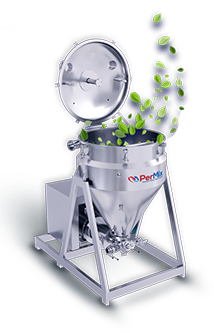


A mayonnaise batch can look fully emulsified and still carry enough entrained air to create unstable fill weights, a pale appearance, surface bubbles, and premature oxidation. Knowing how to vacuum deaerate mayonnaise is therefore not a finishing detail. It is a controlled processing step that protects the texture, appearance, and packaged performance of the product.
For commercial manufacturers, the objective is not simply to pull the deepest possible vacuum. Effective deaeration removes dispersed air while preserving the emulsion, avoiding product boil-up, and maintaining a practical batch cycle. The right result is a dense, glossy mayonnaise with consistent viscosity and fewer downstream packaging problems.
Air enters mayonnaise throughout production. It can arrive with liquid ingredients, be carried in with dry powders, or become incorporated during high-shear mixing, recirculation, and transfer. Even a well-designed emulsification process can create fine air bubbles that remain suspended in a high-viscosity product.
Those bubbles affect more than appearance. Air can increase apparent volume, causing fill-weight variation when product settles after packaging. It can also make viscosity readings less reliable, interfere with clean depositing, and create pinholes or voids in filled containers. Oxygen in the entrained air may contribute to flavor degradation and oxidation, particularly in formulations containing sensitive oils, herbs, spices, or natural flavor systems.
Vacuum reduces the pressure above the batch, allowing dissolved and entrapped gases to expand, rise, and separate from the mayonnaise. In a properly engineered vacuum mixer, gentle bulk movement continuously exposes fresh product surface to the low-pressure zone while the vessel removes released air through a protected vacuum line.
The preferred approach is to deaerate in a closed, vacuum-rated mixing vessel equipped with controlled agitation. For many mayonnaise processes, vacuum is applied during the latter part of emulsification and held after the emulsion reaches its target structure. This approach gives the batch time to release air before transfer to the filling line.
Start by completing the critical emulsification stage. The oil phase must be dispersed to the intended droplet size, and all stabilizers, salt, acid, sweeteners, and functional ingredients must be fully hydrated or dissolved according to the formulation. Deaeration cannot correct a broken emulsion, poor starch dispersion, or incomplete gum hydration. It can only remove air from the product that has already been properly processed.
Once the mayonnaise is homogeneous, reduce high-shear intensity as appropriate for the recipe and shift emphasis to controlled sweep agitation. The sweep system should move product from the vessel wall and bottom without whipping additional air into the batch. A variable-speed agitator is valuable because the best speed for emulsification is often not the best speed for deaeration.
Then apply vacuum gradually. Pulling down too quickly can cause the product to rise, foam, or flash moisture into vapor, especially when the batch is warm or contains volatile flavor components. A staged vacuum profile gives operators better control: establish a moderate vacuum, observe product behavior, then deepen the vacuum only as the batch remains stable.
The exact operating pressure depends on batch temperature, vessel geometry, formulation viscosity, headspace, and ingredient volatility. Many manufacturers work within a controlled low absolute-pressure range, but there is no single setting that suits every mayonnaise. A high-oil, cold mayonnaise may tolerate a different vacuum level than a low-fat or vegan formula with more water, starch, protein, or hydrocolloid content.
Hold the selected vacuum long enough for air release to slow to a minimal level. During this hold, keep the vessel sealed and verify that the vacuum remains stable. If vacuum cannot be maintained, inspect gaskets, valves, mechanical seals, powder ports, sampling connections, and vacuum piping for leaks. An air leak can lengthen the batch cycle and prevent consistent deaeration.
Temperature has a direct effect on vacuum behavior. As pressure drops, water can boil at lower temperatures. If mayonnaise is too warm, a deep vacuum may cause flashing, expansion, and excessive foaming. This is not efficient deaeration. It can change moisture balance, disrupt the visual finish, and carry product toward the vacuum system.
For that reason, manufacturers should define a temperature window for the recipe before vacuum hold. Product cooling may be required before deaeration, particularly after a high-energy mixing stage. Conversely, very cold mayonnaise can become too viscous for efficient air release. The practical target is a temperature at which the product remains stable under vacuum while still allowing bubbles to migrate out of the mass.
Mayonnaise needs movement under vacuum, but aggressive mixing can continuously form new bubbles faster than existing bubbles can escape. The optimum balance is usually a low-to-moderate sweep speed that renews the product surface without vortexing.
Very viscous batches may require longer deaeration times or more deliberate wall and bottom sweeping. Low-fat mayonnaise, fat-free mayonnaise, and plant-based formulations can be especially demanding because starches, proteins, and hydrocolloids alter viscosity and trap air differently than conventional full-fat recipes. Process settings should be validated by formulation family rather than copied from one product to another.
Reliable vacuum deaeration starts with a vessel designed for both vacuum and viscous product handling. A conventional open tank with a temporary vacuum cover is not an equivalent solution. It offers limited control, creates sanitation challenges, and may not provide the mechanical strength or sealing integrity needed for repeatable operation.
An industrial vacuum emulsifying mixer should combine a sealed vacuum vessel, efficient sweep agitation, a high-shear emulsifying head, sanitary product-contact surfaces, and controlled vacuum piping. The vacuum line should include appropriate filtration or condensate protection so product foam and vapor do not reach the vacuum pump. Sight ports, lighting, load cells, temperature measurement, and vacuum instrumentation give operators the feedback needed to control the process rather than rely on batch appearance alone.
For plants handling multiple recipes, programmable controls are equally valuable. A repeatable recipe can define mixing speed, vacuum ramp rate, hold time, temperature limits, and discharge conditions. This reduces dependence on operator judgment and makes scale-up more predictable from pilot batches to production volumes.
PerMix vacuum emulsifying systems are designed around this integrated requirement: emulsify, disperse, deaerate, and discharge within a controlled sanitary process. The equipment selection should still be based on formulation viscosity, batch size, powder loading, desired cycle time, and production frequency.
If a mayonnaise batch remains foamy after a normal vacuum hold, the issue is often not simply insufficient vacuum time. Persistent foam may indicate excess mixing speed, a leaking vessel, poorly controlled temperature, a surfactant-rich formulation, or an unsuitable headspace-to-batch-volume ratio. An overfilled vessel leaves little room for product expansion and can make vacuum operation difficult.
If the batch rises sharply when vacuum is applied, slow the vacuum ramp and review product temperature. Check whether the formula contains volatile acids, flavors, or alcohol-containing ingredients that may vaporize under reduced pressure. In some cases, a less aggressive final vacuum produces a better commercial result than the deepest available vacuum.
If viscosity changes after deaeration, confirm that the measurement method is consistent. Air can distort viscosity readings, so a deaerated sample may appear materially different even when the emulsion itself has not changed. If the texture truly changes, assess temperature, shear history, hydration time, and acid addition sequence. Vacuum is often revealing an upstream process issue rather than causing it.
A successful vacuum-deaerated batch should have a smooth, glossy surface with little visible bubbling after vacuum release. It should discharge consistently, meet the defined viscosity and density targets, and fill containers with stable weights. Let packaged samples stand through the normal quality-control interval, then inspect for settling, trapped-air voids, surface defects, and changes in product height.
The most useful standard is not a single vacuum number. It is a documented operating window that consistently delivers the same product density, appearance, texture, and filling performance. Build that window through trials, record the relationship between temperature and pressure, and treat it as part of the formulation process specification.
When mayonnaise leaves the mixer dense, stable, and free of entrained air, the filler has less work to do and the finished package better reflects the quality built into the batch.

Get in touch with us today and learn how to we can help your business.