PerMix Mayonnaise Production
PerMix News
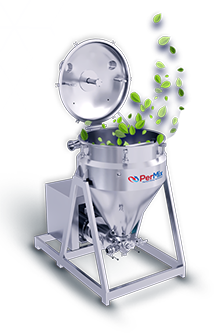


A mayonnaise batch can look acceptable at discharge and still fail before it reaches the customer. Oil separation, weak body, inconsistent gloss, and powder fish eyes often begin with small process gaps that become visible only after filling or storage. Effective food emulsion manufacturing solutions address the full production system: ingredient handling, vacuum control, shear energy, batch sequence, sanitation, and the ability to repeat results at commercial volume.
For manufacturers of mayonnaise, dressings, ketchup, and similar viscous products, the objective is not simply to blend ingredients. It is to build a stable product structure efficiently, protect the formula from air and temperature-related damage, and maintain the same quality from pilot batch to full-scale production.
An emulsion is a controlled dispersion of one liquid phase within another. In mayonnaise, oil droplets must be reduced and distributed consistently through the water phase, with emulsifiers and stabilizers supporting long-term stability. That requires more than a vessel with an agitator. The process must provide controlled high shear, dependable circulation, accurate ingredient addition, and the right process conditions for the formulation.
A well-designed system should produce a uniform droplet size distribution while minimizing aeration. It should disperse gums, starches, proteins, and other powders before they form agglomerates. It must also manage viscosity as the batch develops, because a mixer that performs well with a thin premix may struggle once the final product becomes dense.
Production requirements vary. A conventional full-fat mayonnaise may depend heavily on efficient oil incorporation and consistent shear. A low-fat or fat-free formula may place greater demands on starch hydration, gum dispersion, and thermal control. Vegan mayonnaise can require careful management of plant proteins, modified starches, and emulsifier systems. The right equipment is selected around the actual formula and operating target, not only the final batch size.
The fastest way to specify an emulsification system is to identify what is limiting production now. Many facilities invest in more horsepower when the underlying issue is ingredient addition, poor vacuum performance, or an unsuitable mixing geometry.
A broken emulsion can result from insufficient shear, an oil feed rate that exceeds the system’s ability to incorporate it, poor emulsifier hydration, or temperature outside the formula’s working range. Air entrainment can also weaken consistency and create misleading viscosity readings during processing.
Vacuum processing helps remove entrained air and supports a denser, cleaner product appearance. When combined with a properly sized high-shear emulsifying head and controlled oil addition, it gives the processor greater control over emulsion formation. The benefit is especially clear on high-oil products where batch consistency has direct impact on yield, filling performance, and shelf stability.
Dry starch, xanthan gum, modified food starch, protein powders, and stabilizer blends can create persistent lumps when added through an open vessel or introduced too quickly. Operators may extend batch time in an attempt to correct the problem, but excessive processing can introduce heat, air, or unwanted texture changes.
Powder induction systems pull dry ingredients directly into the liquid stream under controlled conditions. This improves wetting, reduces dust exposure, and shortens the time needed to achieve a smooth dispersion. For plants producing multiple formulas, reliable powder handling also reduces variation between operators and shifts.
Texture variation is often caused by a combination of factors: different addition sequences, changing processing times, incomplete recirculation, or a system that cannot move high-viscosity material effectively. A batch may pass an initial visual check while still carrying unmixed zones near the vessel wall or bottom.
The mixer design must create full-vessel turnover while the emulsifying head delivers localized high shear where it is needed. This balance matters. High shear alone does not guarantee a homogeneous batch, and bulk agitation alone will not consistently create a fine emulsion.
The best food emulsion manufacturing solution is not defined by one machine specification. It is a process arrangement matched to the product, the production volume, and the desired level of automation.
For many mayonnaise and dressing applications, a vacuum emulsifying mixer provides the core process environment. It combines mixing, homogenization, vacuum deaeration, and often heating or cooling in a single closed vessel. This reduces product transfers and gives operators tighter control over critical stages of the batch.
A typical sequence begins with charging water and liquid ingredients, followed by controlled induction and hydration of dry materials. The oil phase is then added at a rate matched to the emulsification capacity of the system. Final mixing, deaeration, cooling where required, and discharge complete the cycle. The sequence changes with the formula, but each stage should be repeatable and documented.
For products that require both heating and high-viscosity processing, a universal vacuum mixer processor can combine multiple functions in one platform. This can be a practical choice for facilities running mayonnaise alongside ketchup, barbecue sauces, cheese sauces, or other viscous products. The trade-off is that a multipurpose system must be sized carefully around the most demanding product in the portfolio, not the easiest one.
A 500-gallon vessel does not automatically produce 500 gallons of saleable product per hour. Real throughput depends on batch time, oil addition rate, powder incorporation time, heating and cooling requirements, cleaning intervals, discharge efficiency, and changeover demands.
When reviewing equipment, manufacturers should calculate the complete operating cycle. A system with a shorter emulsification stage but slow powder loading may not improve daily output. Likewise, an oversized vessel operating at a low fill level may not deliver proper mixing performance if the agitator and homogenizer are not designed for that range.
Useful sizing questions include the minimum and maximum batch volumes, the highest expected viscosity, the required batches per shift, and the number of formulas scheduled each week. Also consider utilities early. Steam, hot water, chilled water, electrical capacity, compressed air, and vacuum performance all affect the final system design.
Automation should be considered in the same practical way. A manual system can be appropriate for development work or low-volume specialty production. At higher volumes, recipe control, load cells, timed additions, variable-speed drives, and recorded process parameters help reduce operator dependence. The right level of automation is the one that improves repeatability without adding unnecessary complexity to maintenance and training.
Emulsified foods are difficult to clean because viscous residues can remain in dead zones, transfer lines, valves, and poorly designed connections. Sanitary construction is therefore a production requirement, not a cosmetic feature.
Closed processing reduces exposure during manufacturing and supports more controlled cleaning. Smooth product-contact surfaces, sanitary valves, properly designed spray devices, and clean-in-place compatibility can shorten turnaround while helping manufacturers meet food safety expectations. The value becomes clear when the plant is running frequent flavor changes or moving from allergen-containing to allergen-sensitive formulas.
It is also worth evaluating maintenance access. Mechanical seals, homogenizer components, pumps, and valves need inspection over the life of the equipment. A lower purchase price can lose its advantage quickly if routine service requires excessive downtime or specialized intervention.
Stable production depends on measurable control. Record batch temperature, vacuum level, mixing speed, homogenizer speed, oil addition time, powder addition time, final viscosity, and product appearance. Over time, these values create a usable operating window for each formula.
When a batch begins to drift, the data can point to the likely cause. A change in powder hydration time may indicate a raw-material variation. A higher final temperature may explain a shift in viscosity. A longer oil addition period can signal a pump, flow-control, or emulsifier issue. This approach moves troubleshooting away from guesswork and toward corrective action.
PerMix designs mayonnaise production systems around these real manufacturing variables, from difficult powder induction through vacuum emulsification and high-viscosity mixing. Equipment selection should support the product you need to make consistently, not force your formulation to fit a generic mixer.
The most productive next step is to map one current formula from raw-material charging through discharge, identify where time, air, lumps, or variability enter the process, and use those findings to define the equipment requirement. That is where a stronger, more scalable emulsion process begins.

Get in touch with us today and learn how to we can help your business.