PerMix Mayonnaise Production
PerMix News
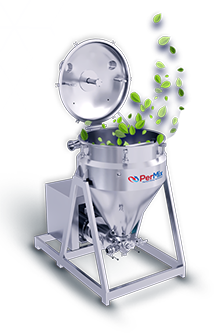


A mayonnaise line can look efficient on a layout drawing and still become a daily source of rework, long CIP cycles, slow changeovers, and unstable emulsions. The best mayonnaise plant design tips start with the product and process, then build the equipment arrangement around real operating conditions. For manufacturers producing conventional, low-fat, fat-free, or vegan mayonnaise, the goal is not simply to install a larger mixer. It is to create a controlled system that delivers repeatable texture, stable emulsification, sanitary operation, and practical capacity growth.
Plant design decisions should begin with the formulation portfolio, not the equipment catalog. Full-fat mayonnaise has a high oil phase and typically responds well to a properly controlled vacuum emulsification process. Reduced-fat and fat-free products can be more demanding because starches, gums, proteins, and other stabilizers must be hydrated and dispersed correctly before the emulsion is finalized. Vegan products may introduce additional variability through plant proteins, starch systems, and egg-free emulsifiers.
A line designed only for a standard full-fat recipe may struggle when R&D introduces a low-fat SKU that requires longer powder hydration, higher shear, or different ingredient addition timing. Define the toughest product in the planned range early. That product usually determines the required mixing intensity, vacuum capability, powder induction method, heating and cooling duty, and batch cycle time.
Ask practical questions before finalizing the process design: What is the highest target viscosity? Which powders tend to form fisheyes or lumps? Does the product require a cooked starch phase? How many formulas will run in one shift? The answers shape the plant more effectively than nominal batch volume alone.
Mayonnaise quality depends on controlling droplet size, phase addition, shear exposure, temperature, and air removal. When those variables drift, the result may be a thin body, poor gloss, visible oiling off, inconsistent viscosity, or a broken emulsion. A well-designed production system gives operators repeatable control rather than relying on manual adjustments.
Vacuum processing removes entrained air that can otherwise affect product appearance, density, filling accuracy, and emulsion stability. It also supports cleaner product transfer and reduces foaming during mixing. However, vacuum performance depends on more than installing a vacuum pump. The vessel must be properly sealed, the condenser and piping must be correctly sized, and the process sequence must account for when vacuum should be applied.
For many mayonnaise applications, applying and maintaining vacuum during critical mixing stages improves the finished product. The exact operating profile depends on formulation and equipment configuration. Excessive vacuum during an uncontrolled powder addition can create handling problems, while insufficient vacuum can leave air in the batch. The process must be engineered as a complete system.
High-shear emulsification equipment must provide enough energy to disperse and stabilize the oil phase at the actual production volume. An undersized homogenizer may work during a water trial or a small pilot batch but fail when handling a full vessel of high-viscosity mayonnaise. Oversizing without considering product sensitivity can also create unnecessary heat load or process inefficiency.
The mixer should circulate product through the high-shear zone effectively while the vessel agitator maintains uniform bulk movement. This combination matters especially for thick mayonnaise, where dead zones can leave material underprocessed. A vacuum emulsifying mixer with a properly engineered rotor-stator head and vessel scraper system gives the process greater control from batch to batch.
Powder addition is often where mayonnaise production loses time. Starches, gums, salt, sugar, protein powders, and seasoning blends can bridge in hoppers, dust the production area, form agglomerates, or hydrate unevenly. Adding dry ingredients directly through an open manway may be acceptable at very small scale, but it is not a dependable approach for commercial production.
A closed powder induction system improves both consistency and operator control. The system should draw powders into the liquid under conditions that wet particles rapidly and disperse them before they can form lumps. This is particularly valuable for dry starches and hydrocolloids used in reduced-fat formulations, where poor dispersion can cause texture defects that no amount of later mixing fully corrects.
Design the powder station with realistic material flow in mind. Bag dumping height, dust collection, hopper capacity, operator access, and batch documentation all affect throughput. If the plant will use bulk bags or automated ingredient handling later, reserve floor space and utility connections now. A modest allowance during design is less expensive than a major retrofit after production starts.
The most effective mayonnaise plants keep ingredient receiving, pre-weighing, processing, packaging, and cleaning activities organized in a logical sequence. Raw eggs or egg alternatives, oils, acids, dry ingredients, and finished mayonnaise should not compete for the same congested pathways. This reduces cross-contact risk, simplifies sanitation, and keeps operators from carrying materials through high-care areas unnecessarily.
Place liquid oil storage and transfer equipment where it can supply the mixer at a stable, measurable rate. Oil addition needs accurate control because the addition profile influences the final emulsion. Use suitable flow measurement and automated valves where formulation consistency and production volume justify the investment.
Finished product transfer also deserves attention. Long, narrow piping runs, unnecessary elbows, and poorly selected pumps increase pressure drop and can make cleaning more difficult. For viscous mayonnaise, select transfer pumps and line diameters based on real rheology, distance, elevation, and desired filling rate. Do not size the line around water-like assumptions.
Sanitary design is an operating advantage, not a compliance exercise. A plant that is difficult to clean loses available production hours and increases the chance of flavor carryover, microbial risk, and inconsistent product quality. Every vessel, valve, pump, piping leg, and instrument connection should support effective clean-in-place operation.
Use cleanable piping geometry, hygienic valves, drainable lines, and properly located spray devices. Eliminate unnecessary dead legs and avoid sections where viscous product can remain after discharge. Equipment should be accessible for inspection and maintenance without forcing technicians to remove major components or work around unsafe obstructions.
CIP design must also match the product. Mayonnaise leaves an oil-rich residue, while starch-heavy or vegan formulations may require different cleaning conditions. Confirm that the CIP skid, circulation pump, heating capacity, chemical concentration control, and return-line velocity are sufficient for the largest and most difficult circuit. A quick cleaning cycle is valuable only when it consistently achieves the required result.
Mayonnaise systems depend on more than mechanical equipment. Heating, cooling, chilled water, steam, compressed air, vacuum, electrical capacity, and process water must support the intended batch schedule. A plant that can produce one successful batch but cannot cool, clean, and restart on time will miss its output target.
Calculate utility demand across overlapping operations. For example, one batch may be cooling while another vessel is in CIP and a packaging line is running. Peak demand, not average consumption, should guide utility sizing. Temperature control is especially important when processing heat-sensitive emulsions or products with starch activation requirements.
Automation should fit the operating model. For a multi-SKU plant, recipe management, controlled ingredient addition, batch records, alarms, and repeatable mixing sequences can protect quality while reducing dependence on individual operator technique. Smaller operations may choose a more manual approach, but critical variables such as batch temperature, vacuum level, agitation speed, homogenizer speed, and oil addition should still be measured and documented.
A plant optimized for one product may deliver excellent efficiency until the product portfolio expands. Build flexibility where it has commercial value: reserve space for an additional process vessel, allow for a second packaging line, install utility headers with capacity for expansion, and use controls that can accommodate future recipes.
That does not mean paying for every possible future feature on day one. It means identifying the expansions that would be difficult or disruptive later. A growing regional producer may need a larger batch vessel. A co-manufacturer may need separate allergen management or faster changeovers. The best decision depends on forecasted demand, SKU complexity, available labor, and the cost of downtime.
PerMix designs mayonnaise processing systems around these application-specific requirements, including vacuum emulsification and powder incorporation for demanding condiment formulations. Equipment selection should follow a detailed review of recipe behavior, batch size, sanitary requirements, and the production target your facility must achieve.
The right mayonnaise plant design gives operators a process they can run with confidence: powders disperse cleanly, oil addition stays controlled, cleaning is predictable, and each batch reaches the same texture and stability. That is where higher output and better product quality begin.

Get in touch with us today and learn how to we can help your business.