PerMix Mayonnaise Production
PerMix News

A sauce can look fully homogeneous in the mixer and still create expensive problems at the filler. Entrained air changes apparent viscosity, causes unstable fill weights, creates pinholes or foam in finished packs, and can weaken the clean, dense texture customers expect. Knowing how to reduce sauce aeration means treating air as a process variable, not a cosmetic issue addressed after the batch is complete.
For mayonnaise, dressings, ketchup, vegan emulsions, and starch-thickened sauces, the source is rarely one setting alone. Aeration typically results from the interaction of raw-material addition, mixer geometry, agitation speed, viscosity development, temperature, transfer conditions, and available vacuum. The right solution protects product quality without sacrificing batch time or dispersion performance.
Air enters a sauce as bubbles that become dispersed throughout the liquid or semi-solid structure. In a low-viscosity system, some bubbles may rise and release naturally. In a high-viscosity dressing, mayonnaise, or sauce containing gums, starches, proteins, or fine particles, bubbles can become trapped before they reach the surface.
That trapped air affects more than product appearance. It may produce a lighter-than-target density, which makes weight control more difficult when filling by volume. It can cause excessive foam during transfer, lead to voids in jars or pouches, and make a product appear less smooth after filling. In emulsified products, aeration can also complicate viscosity readings and make it harder to distinguish a true emulsion problem from a measurement issue.
The impact depends on the formula. A thin hot sauce can often tolerate more air than a premium mayonnaise or a glossy, high-solids barbecue sauce. Products that are packed under a clean visual presentation, processed at high filling speeds, or sold in clear containers usually have the least tolerance for visible bubbles.
Before changing equipment settings, determine when the air is being incorporated. A simple review of the batch sequence often identifies the most likely source. Observe the product surface during each stage, check density before and after transfer, and compare samples taken from the vessel, pump discharge, and filler hopper.
Dry ingredients are a frequent source of entrained air. When powders are dumped onto an open vortex, they can carry air below the surface along with the powder. This is especially common with starches, gums, milk powders, sugar blends, spices, and protein ingredients. A high-speed vortex may appear to improve drawdown, but it can pull large volumes of air into the batch.
Use a controlled powder induction method rather than relying on an aggressive open-surface vortex. A properly designed vacuum powder induction system draws powders into the liquid phase quickly while minimizing airborne dust and air carryover. This approach is particularly valuable for difficult low-fat, fat-free, and vegan formulations, where hydrocolloids and proteins increase viscosity early in the process and make later deaeration more difficult.
High shear is necessary at specific points in many sauce processes. It can reduce droplet size, disperse stabilizers, hydrate powders, and build a uniform emulsion. But continuing high-speed mixing after the emulsion and viscosity are already developed can keep entraining air instead of removing it.
The operational target is not maximum mixer speed. It is the correct energy input for each phase of the batch. Use strong shear during dispersion and emulsification, then move to lower-speed sweep or agitation during deaeration, holding, and final adjustments. This keeps the product moving across heat-transfer surfaces and maintains uniformity without repeatedly folding air into the sauce.
A well-deaerated sauce can pick up air again after leaving the mixer. Suction-side leaks, poorly sized transfer lines, sharp restrictions, partially blocked filters, and excessive pump speed can all contribute. Cavitation is particularly damaging because it introduces vapor and gas pockets while also stressing the pumping system.
Inspect sanitary gaskets, valves, pump seals, and hose connections. Confirm that the transfer pump is matched to product viscosity and required flow rate. Positive displacement pumps are often preferred for viscous sauces, but they still need appropriate speed control and line sizing. The goal is stable, flooded flow from vessel to filler, not the highest possible transfer rate.
Vacuum is the most reliable process tool for removing entrained air from viscous sauces. By lowering pressure in the processing vessel, dissolved and trapped gases expand and rise to the surface, where they can be removed. Vacuum processing also reduces the amount of oxygen in the headspace, which can support better product appearance and protect oxidation-sensitive ingredients.
Vacuum performance depends on vessel design as much as on pump capacity. The batch needs adequate surface exposure, controlled mixing, and sufficient residence time under vacuum. If the mixer creates a deep vortex or throws product against the vessel wall at high speed, air removal can be less efficient even with strong vacuum available.
A practical sequence is to apply vacuum after the most air-generating additions are complete, while maintaining enough agitation to expose new product surfaces. As viscosity rises, deaeration becomes slower. For that reason, many manufacturers benefit from pulling vacuum during powder incorporation and throughout final emulsification rather than waiting until the end of the batch.
The ideal vacuum level and hold time depend on the product. A delicate emulsion can be damaged by overly aggressive processing if the system is not properly controlled, while a heavy sauce may need more time under vacuum to release trapped bubbles. Product trials should evaluate density, visual appearance, viscosity, emulsion stability, and filling behavior together. A single vacuum setpoint does not fit every formulation.
The lowest-cost air is the air that never enters the sauce. Start by charging liquids in a way that limits splashing and free-fall. Keep the liquid level above the active mixing zone where possible. Add oils, acids, and aqueous phases through controlled inlets rather than pouring them across the vessel surface.
For powder-heavy recipes, establish a liquid circulation path before adding dry ingredients. Induct powders steadily, not in large slugs that overwhelm the wetting capacity of the system. If gums or starches are added too quickly, operators may increase speed to break visible fisheyes, which can create even more aeration. A controlled induction rate usually delivers better hydration with less corrective mixing.
Temperature also matters. Viscosity often changes significantly during heating and cooling, changing how easily bubbles rise and break. A sauce that is too cold may hold air stubbornly; a sauce that is too hot may foam or lose desirable texture. Set the process temperature around the formula’s hydration, emulsification, and filling requirements rather than treating temperature as a separate utility setting.
Avoid repeated stop-start cycles once the batch reaches final viscosity. Every restart can disturb the surface and reintroduce air. If quality checks are required, take samples through a sanitary sample valve and return the system to controlled low-speed agitation while results are reviewed.
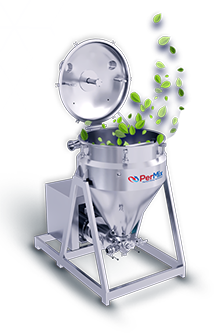
Industrial sauce production requires more than a standard tank with a high-speed agitator. Effective deaeration depends on a closed, vacuum-rated vessel; an emulsifying head sized for the batch and viscosity range; an anchor or sweep agitator for wall coverage; sanitary powder induction; and a transfer design that protects the finished product.
A vacuum emulsifying mixer combines these functions in one controlled process environment. It gives operators the ability to disperse, emulsify, hydrate, heat or cool, and deaerate without exposing the batch to repeated open handling. This is especially valuable when scaling from pilot batches to commercial volumes, where a small change in vessel geometry can greatly affect vortex formation and air removal.
PerMix vacuum mixing systems are designed around this production reality, helping manufacturers align shear, vacuum, powder induction, and vessel configuration with the behavior of their specific sauce formula. The best system is not simply the largest mixer or the highest-shear option. It is the system that consistently reaches target texture, density, stability, and throughput with a repeatable operating sequence.
A sauce may look smooth at the end of mixing but still fail during packaging. Confirm results with measurements that reflect production performance. Compare density against the approved standard, inspect filled containers for bubbles and voids, monitor fill-weight variation, and observe foam behavior in the filler hopper.
When evaluating a process change, alter one primary variable at a time. For example, reduce final agitation speed, extend vacuum hold time, or adjust powder induction rate, then compare the finished product. Changing multiple variables together can obscure the real cause of improvement or make future troubleshooting harder.
A stable, air-free sauce is built through controlled processing, not last-minute correction. When air removal is designed into the batch from ingredient charging through filling, the result is a denser product, cleaner packaging performance, and a process your operators can repeat with confidence.

Get in touch with us today and learn how to we can help your business.