PerMix Mayonnaise Production
PerMix News
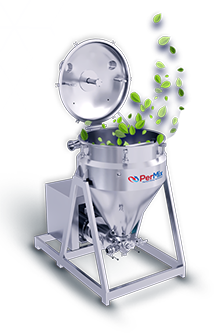


A mayonnaise homogenizer is not simply a finishing machine. It is the process point that determines whether oil, water, egg, starch, gums, and seasonings become a smooth, stable commercial product or a batch prone to separation, texture variation, and short shelf-life performance. For manufacturers, the right homogenization system protects both product quality and production economics.
Mayonnaise is a high-oil emulsion with little room for uncontrolled processing. Small differences in droplet size, ingredient addition rate, shear exposure, temperature, or vacuum level can change viscosity, mouthfeel, color, and stability. A properly designed vacuum emulsifying system brings these variables under control.
Homogenization reduces and distributes oil droplets throughout the water phase under controlled high shear. The goal is a fine, uniform emulsion in which the emulsifier system can stabilize the increased oil-water interface. In practical terms, this produces mayonnaise with a smoother texture, more consistent viscosity, improved appearance, and better resistance to oiling off during storage.
The homogenizer must do more than generate high speed. It must create the right shear profile for the formula and batch size. Excessive shear can introduce heat, alter viscosity, or damage sensitive ingredients. Insufficient shear leaves larger droplet populations that can combine over time, leading to emulsion instability. The correct result depends on formulation, target texture, oil level, processing temperature, and the production sequence.
For standard full-fat mayonnaise, the primary challenge is controlled oil incorporation and droplet reduction. Low-fat and fat-free products introduce another level of difficulty because water-phase thickeners, modified starches, proteins, and hydrocolloids become more influential. Vegan mayonnaise may require careful processing of plant proteins, gums, starches, and alternative emulsifier systems. One machine setting rarely fits every product line.
Air is an avoidable problem in mayonnaise manufacturing. Entrained air can create foam, weaken visual consistency, affect filling weights, and make accurate viscosity control more difficult. It may also increase oxidation risk in certain formulations.
A vacuum emulsifying mixer removes air during mixing and homogenization. This supports a denser, cleaner-looking product while helping the homogenizer work on the emulsion rather than on air-filled foam. Vacuum operation also improves the wetting and dispersion of some powders, particularly ingredients that tend to float, agglomerate, or form fish eyes when introduced into the water phase.
For commercial operations, the advantage is not limited to product appearance. Less air in the batch can mean more repeatable filling, fewer density-related inconsistencies, and a more controlled scale-up process. Vacuum capability is especially valuable when producing premium dressings, high-viscosity mayonnaise, or formulas that use challenging dry ingredients.
A mayonnaise homogenizer performs within a process, not in isolation. When an emulsion breaks or a product fails to meet texture specifications, the cause is often a combination of factors rather than a single mechanical issue.
Oil addition must match the emulsion’s capacity to absorb and stabilize it. Adding oil too quickly can overload the water phase before the emulsifier system has formed sufficient interfacial coverage. The result may be a thin batch, visible oil, or a complete break. Metered oil addition provides the control needed for repeatable commercial production.
Rotor-stator homogenizers create intense localized shear. Depending on system design, the batch may pass through the high-shear zone repeatedly via recirculation or product flow patterns inside the vessel. More processing is not always better. Manufacturers should establish a validated combination of speed, processing time, and circulation that reaches the target droplet size without unnecessary heat buildup or energy use.
Temperature affects viscosity, powder hydration, emulsifier performance, and the flow behavior of oil. Some mayonnaise formulas are processed near ambient temperature, while others require heating for starch hydration or ingredient dissolution before cooling and final emulsification. A jacketed vessel with accurate heating and cooling control allows the process team to manage these changes rather than react to them after the batch has drifted out of specification.
Dry ingredients can define the success of low-fat, fat-free, and vegan mayonnaise. Starches, gums, stabilizers, proteins, salt, sugar, and acidulants must be dispersed without lumps or incomplete hydration. Adding powders through an open manway may work at small scale, but it can create dust, inconsistent drawdown, prolonged batch times, and operator-dependent results.
A powder induction system draws dry materials directly into the liquid stream under controlled conditions. This shortens dispersion time and reduces agglomeration. It also improves repeatability when processing difficult ingredients that otherwise demand manual intervention.
The best mayonnaise system is sized around the process objective, not just the vessel volume. A plant producing 500-gallon batches of standard mayonnaise has different requirements from a manufacturer developing multiple 50-gallon pilot batches of vegan dressings. Both need reliable shear, but their throughput, cleaning expectations, automation level, and formulation flexibility may be very different.
Start with the desired batch range and annual production volume. Then evaluate product viscosity, oil percentage, powder loading, heating and cooling requirements, and the number of formulas the line must support. If the equipment will process mayonnaise, ketchup, sauces, and dressings, it needs sufficient versatility without compromising performance on the most demanding product.
Sanitary design also deserves close attention. Food-contact surfaces should support effective cleaning, with properly finished stainless steel, hygienic valves, cleanable piping, and vessel geometry that limits dead zones. A system that produces a stable emulsion but requires excessive manual cleaning will reduce available production time and raise labor costs.
Automation is another practical decision. Manual controls may be appropriate for development or lower-volume production. At larger scale, automated recipes, controlled oil dosing, temperature monitoring, vacuum control, and repeatable mixing sequences reduce operator variation. The level of automation should reflect the cost of inconsistency in the finished product.
A broken emulsion is the most visible failure, but it is not the only one. Thin body, grainy texture, excess air, poor color uniformity, and batch-to-batch viscosity variation can all signal that the process needs adjustment.
If mayonnaise is breaking, review oil addition rate, emulsifier concentration, acid and salt addition sequence, homogenizer performance, and process temperature. If the product is too thin, the issue may involve formulation balance, insufficient droplet reduction, incomplete starch hydration, or excessive processing temperature. If the product has lumps or visible specks, examine powder induction, wetting conditions, and the time available for hydration.
It is also worth separating formulation problems from equipment problems. A high-shear mixer cannot compensate indefinitely for an unstable formula, and a sound formula can still fail when oil is added without control or dry materials are poorly dispersed. The strongest results come from treating formulation and processing as one integrated system.
Commercial mayonnaise production benefits from defined operating windows. Rather than relying on a single target speed or fixed batch time, establish acceptable ranges for temperature, vacuum, oil feed rate, homogenizer speed, and final viscosity. Record those values alongside finished-product results. This gives process engineers a practical basis for troubleshooting and continuous improvement.
Pilot trials are especially useful before scaling a new low-fat or vegan formula. They reveal whether the formula needs a different powder addition method, a revised oil profile, more hydration time, or a different shear sequence. Scaling directly from a benchtop mixer to a large production tank without validating flow and shear conditions often creates avoidable delays.
PerMix designs vacuum emulsifying solutions around these real production demands, including controlled homogenization, powder induction, thermal processing, and sanitary batch handling. The objective is straightforward: produce mayonnaise with the texture, stability, and repeatability your market expects while keeping the line efficient enough to support commercial growth.
The right equipment decision begins with a clear picture of the product you need to make consistently. Define the formula range, identify the ingredients that cause the most trouble, and select a homogenization process that gives operators control before quality problems reach the filler.

Get in touch with us today and learn how to we can help your business.