PerMix Mayonnaise Production
PerMix News
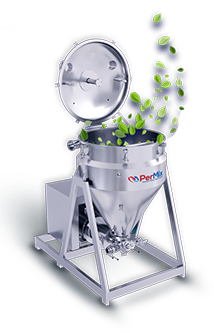


A mayonnaise batch can look acceptable at the vessel and still fail on the filling line or after a few weeks in distribution. Oil separation, trapped air, fish-eyes from starch, variable viscosity, and inconsistent gloss usually point back to one issue: insufficient control during mixing. The most meaningful vacuum mixer processor benefits come from controlling dispersion, emulsification, deaeration, and batch conditions in one closed processing environment.
For manufacturers producing mayonnaise, dressings, ketchup, sauces, and vegan emulsions, this is not simply a matter of buying a faster mixer. The right system must match the formulation, batch size, powder-loading method, viscosity range, and sanitation requirements. A vacuum mixer processor provides that process control where conventional open-tank mixing often reaches its limit.
In an open vessel, air enters the product through powder addition, surface agitation, and high-speed mixing. That air can create foam, reduce apparent density, interfere with accurate filling, and make a smooth sauce appear cloudy or less glossy. It can also contribute to oxidation concerns in formulations containing sensitive oils, flavors, or color components.
A vacuum mixer processor removes entrained air while mixing and emulsifying take place. The result is a denser, cleaner-looking product with more consistent texture. For mayonnaise and high-viscosity dressings, deaeration is especially valuable because trapped air is difficult to remove after the batch has cooled or thickened.
Vacuum also supports more controlled processing at lower operating temperatures when the formula allows it. This can help protect heat-sensitive ingredients and reduce unnecessary thermal stress. It does not replace a required cooking or pasteurization step, but it gives process teams more flexibility in how ingredients are combined, heated, cooled, and finished.
Mayonnaise is an emulsion, not just a blended mixture. The oil phase must be dispersed into fine, stable droplets throughout the water phase, while egg yolk, modified starches, gums, proteins, acids, and seasonings must be incorporated without damaging the target texture. If the emulsion is weak, the product may break during production, separate in storage, or vary from batch to batch.
A processor that combines an anchored agitator with a high-shear emulsifying head can circulate viscous product through intense shear zones while maintaining overall vessel movement. This combination is critical. The agitator continually sweeps the vessel wall and moves material toward the emulsifier; the emulsifier reduces droplet size and breaks down ingredient agglomerates.
Under vacuum, the system can achieve this without adding the air that often accompanies aggressive open-vessel mixing. The practical result is better emulsion stability, more uniform viscosity, and a smoother mouthfeel. For commercial producers, it also means fewer batches that require rework, dilution, or disposal.
Dry ingredient handling is one of the most common production bottlenecks. Starches, hydrocolloids, proteins, sugar, salt, and seasoning blends can form lumps when they contact water too quickly. Once a hydrated outer layer forms around a powder particle, the dry core may remain trapped inside. Longer mixing time does not always solve the problem.
A vacuum mixer processor equipped for powder induction pulls dry materials directly into the liquid phase under controlled conditions. Powders are wetted and dispersed rapidly, reducing the risk of floating rafts, fish-eyes, and manual dumping errors. This is particularly useful in low-fat and fat-free mayonnaise, where starches and stabilizers carry more of the texture-building workload.
The benefit is not only speed. Better powder wetting improves formula consistency, makes viscosity development more predictable, and can reduce the operator intervention needed to recover a difficult batch.
Standard full-fat mayonnaise has a relatively forgiving structure compared with many reduced-fat or vegan formulations. When oil is reduced, the process must compensate through hydrocolloids, starches, plant proteins, fibers, or other functional ingredients. Vegan recipes add another layer of complexity because egg yolk is no longer providing its familiar emulsifying performance.
These products demand precise shear, staged addition, and reliable powder hydration. Too little shear can leave a coarse or unstable product. Too much shear at the wrong point can change viscosity or create a texture that no longer matches the intended eating experience. Vacuum processing gives R&D and production teams a more controlled platform for refining these variables and transferring a successful pilot formula to larger commercial batches.
The value of a vacuum system is often measured too narrowly by batch time. Faster processing matters, but the larger gain is a more predictable process from raw-material addition through discharge.
In a properly configured system, ingredients can be loaded, dispersed, emulsified, heated or cooled through the vessel jacket, deaerated, and discharged from one enclosed unit. Fewer transfers mean fewer opportunities for contamination, product loss, temperature drift, and operator variation. This is particularly relevant for facilities running multiple SKUs where sanitation turnaround and changeover discipline directly affect capacity.
Closed processing also supports a cleaner production area. Fine powders are less likely to become airborne when introduced through a controlled induction arrangement, and operators are not repeatedly opening the vessel to inspect or manually correct the batch. That improves housekeeping and reduces exposure to routine handling risks.
There is a trade-off. A vacuum mixer processor requires capital investment, utilities, preventive maintenance, and operators who understand the recipe sequence. The vacuum pump, seals, homogenizer, and control system must be maintained as process-critical components. However, for plants regularly dealing with emulsion failures, powder lumps, excessive foam, or inconsistent viscosity, the cost of not controlling the process can be substantially higher.
Equipment sizing should start with the product and production target, not with a nominal vessel volume. A 500-gallon vessel does not automatically deliver a 500-gallon usable batch across every formula. Minimum and maximum working volumes, final viscosity, oil percentage, powder loading, heating and cooling needs, and product density all affect the appropriate configuration.
Ask how the system will handle the most difficult product in the portfolio, not only the easiest one. A standard mayonnaise may process well in many mixer designs, while a high-starch fat-free dressing or vegan garlic aioli reveals whether the machine has enough agitation, shear capacity, and powder induction performance.
The specification should also address sanitary construction, clean-in-place expectations, contact-material requirements, discharge design, and automation level. A system with recipe controls can improve repeatability by managing vacuum level, mixing speed, emulsification time, temperature, and ingredient-addition steps. For plants with frequent product changes, this can reduce dependence on individual operator judgment.
A vacuum mixer processor is most valuable when the process requires more than bulk blending. It is a strong fit for manufacturers that need stable oil-in-water emulsions, high-quality powder dispersion, controlled deaeration, and repeatable texture across growing production volumes.
PerMix designs vacuum emulsifying systems around these operating realities, including the demands of mayonnaise, ketchup, dressings, and specialty condiment formulations. The objective is straightforward: move from a batch that looks acceptable to a process that delivers the same product quality every time.
Before finalizing equipment, run the actual formula through a structured evaluation. Identify where air enters, where powders resist wetting, where the emulsion becomes unstable, and where operators spend time correcting the batch. Those answers will point to the processing configuration that protects product quality while giving the plant room to scale.

Get in touch with us today and learn how to we can help your business.