PerMix Mayonnaise Production
PerMix News

When a mayonnaise line underperforms, the problem usually shows up in the product first. You see broken emulsion, poor gloss, trapped air, inconsistent viscosity, or dry pockets from starch and gums that never fully disperse. In most cases, those symptoms trace back to the mayonnaise production equipment, not just the recipe. For manufacturers scaling output or expanding into low-fat and vegan formulations, equipment selection directly affects stability, throughput, labor, and waste.
Mayonnaise is not just a mixed product. It is a controlled emulsion that depends on ingredient timing, shear level, vacuum conditions, and powder incorporation. Equipment that works for simple liquid blending often fails when the process requires rapid hydration, fine droplet size, and repeatable texture from batch to batch.
That is why mayonnaise production equipment should be evaluated as a process system, not as a single tank with an agitator. A well-designed system must manage oil incorporation, emulsification, powder induction, deaeration, heating or cooling when required, and hygienic discharge. If one of those functions is weak, the entire line pays for it through longer cycle times, quality variation, or rework.
For many plants, the real challenge is not making one acceptable batch. It is making the same batch again tomorrow, then producing a low-fat version in the afternoon, and a vegan SKU on the same line with controlled changeover. Equipment has to support that operating reality.
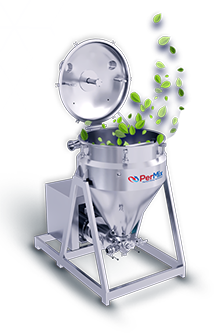
At commercial scale, mayonnaise production equipment typically centers on a vacuum emulsifying mixer or a universal vacuum mixer processor. These systems combine an anchor agitator for bulk movement with a high-shear mixing head that reduces droplet size and improves dispersion. Under vacuum, they also limit air entrapment, which matters for density, appearance, shelf stability, and filling performance.
Ingredient handling around the main vessel is just as important. Oil metering, liquid dosing, and powder induction all influence consistency. If dry ingredients are added too slowly, they can extend batch time. If they are added too aggressively without proper induction, they form fisheyes and lumps that are difficult to break down later. A good mayonnaise system addresses this upstream, rather than relying on operators to compensate.
Transfer and discharge should also be considered part of the process. Highly viscous emulsions need equipment that moves product efficiently without excessive shear loss or dead zones. Sanitary valves, clean welds, and clean-in-place compatibility are not optional details. They affect uptime, food safety, and the real cost of ownership.
Vacuum is often treated as a premium feature, but for mayonnaise it is a practical production advantage. During emulsification, trapped air can create foam, reduce visual quality, and make density less predictable. In filling operations, that can translate to weight variation and unstable packaging performance.
Vacuum also improves powder wet-out and supports a smoother final texture. In formulations with starches, stabilizers, proteins, or plant-based ingredients, air control becomes even more valuable because these materials can be difficult to disperse cleanly in atmospheric mixing.
There is a trade-off, though. Vacuum systems require proper sealing, control logic, and operator discipline. Plants that choose vacuum equipment should make sure the system is designed for daily production, not just pilot demonstrations. When it is engineered correctly, the payoff is better emulsion quality and more predictable output.
Not every mayonnaise formula behaves the same way, and that has a direct impact on equipment choice. Full-fat mayonnaise is generally more forgiving than low-fat, fat-free, or vegan products. Once fat content drops or egg is replaced, the margin for process variation gets much smaller.
Low-fat and fat-free mayonnaise often rely more heavily on starches, hydrocolloids, and protein systems to build body. These ingredients need strong powder induction and efficient hydration. A mixer with poor circulation may leave unhydrated material on the vessel wall or under the liquid surface, which leads to texture defects and longer processing time.
Vegan mayonnaise introduces another level of sensitivity. Alternative emulsifiers and proteins may respond differently to shear, pH, and order of addition. In that case, the best equipment is not simply the highest shear option. It is the system that gives process control – enough shear to build emulsion, enough vessel movement to prevent dead zones, and enough flexibility to fine-tune the sequence.
This is where application-specific engineering matters. Buyers should be cautious about generic mixing platforms marketed for everything from cosmetics to soups to mayonnaise. Broad capability sounds attractive, but emulsion performance is where specialization shows.
One of the most common mistakes in buying mayonnaise production equipment is sizing for nominal batch volume instead of actual plant demand. A 500-gallon vessel does not automatically deliver the throughput a plant expects. Batch time depends on ingredient loading, vacuum pull-down, powder incorporation rate, emulsification time, temperature control, discharge efficiency, and cleaning.
That means the right question is not, “How big is the tank?” It is, “How many saleable batches can this system produce per shift under our actual formula and sanitation requirements?”
For growing manufacturers, future SKU expansion also matters. A system sized only for current demand may become a bottleneck when the business adds private-label work, seasonal promotions, or new reduced-fat products. On the other hand, oversizing can hurt process performance at low fill levels and tie up capital unnecessarily. The best sizing decisions are based on product mix, target cycle time, and the plant’s production schedule.
The most valuable features in mayonnaise production equipment are usually the ones that remove variability. High-shear emulsification is one of them, but it should be paired with controlled agitation, precise ingredient addition, and repeatable vacuum performance.
Powder induction is another major factor. Difficult powders can slow operators down, create cleanup issues, and compromise batch quality if they are dumped manually into the vessel. Integrated powder handling helps reduce dusting, improves incorporation speed, and lowers the risk of undispersed solids.
Scraped-surface agitation can also be important, especially when dealing with viscous products or formulas that require thermal processing. It improves vessel wall movement and supports more uniform processing. For manufacturers concerned with sanitation, design details such as surface finish, drainability, gasket selection, and access for inspection should be reviewed early, not after installation.
Automation level depends on the plant, but recipe control and repeatable sequencing often pay for themselves quickly. Manual systems may work for small operations with a stable product range. Once output grows or formulations become more sensitive, automated control reduces operator-to-operator variation and gives management better process visibility.
A mixer can look impressive in a brochure and still be a poor fit on the production floor. Equipment buyers should evaluate whether the supplier understands mayonnaise as an emulsified food process, including issues like emulsion breakage, dry starch incorporation, viscosity development, and scale-up from pilot to commercial production.
That process knowledge matters because two systems with similar motor power and vessel volume may perform very differently in actual mayonnaise manufacturing. Geometry, rotor-stator design, powder induction method, vacuum integrity, and discharge layout all affect results.
Support after the sale matters as well. Commissioning, operator training, spare parts availability, and practical process guidance have a direct impact on startup speed and long-term uptime. For many manufacturers, the strongest equipment investment is the one backed by technical consultation and sizing guidance, not just a competitive purchase price.
For buyers looking at systems from specialists such as PerMix, the advantage is usually application focus. That tends to translate into better alignment between machine design and the commercial realities of mayonnaise, dressings, and other viscous emulsified products.
There is no single best mayonnaise system for every plant. A regional sauce producer with a few core SKUs may need a different setup than a contract manufacturer running multiple formulas every day. What matters is whether the equipment can produce stable emulsions consistently, handle your most difficult ingredients, meet sanitation standards, and scale with the business.
The right mayonnaise production equipment should make production easier, not more operator-dependent. It should shorten the distance between formulation intent and finished product performance. When the system is engineered around the application, manufacturers get more than a mixer. They get better control over quality, throughput, and margin.
If you are evaluating a new line or replacing an underperforming system, start with the product problems you need to eliminate. The right equipment decision usually becomes clear from there.

Get in touch with us today and learn how to we can help your business.